All National Heroes & Leaders of Pakistan · Pakistan Live News Desk
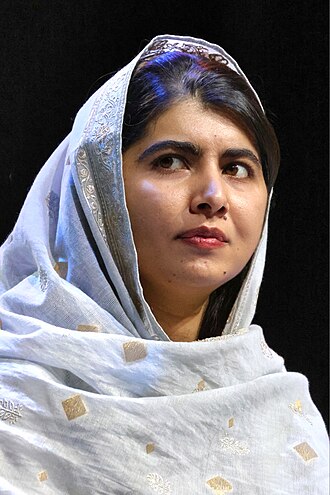
Malala Yousafzai (1997–present) — Education Advocate and Nobel Laureate of Pakistan
1. Whole Life & Rise
Born in Mingora, Swat Valley, Yousafzai gained international attention through a BBC Urdu blog documenting educational restrictions under regional instability, subsequently surviving an assassination attempt in October 2012 at age fifteen. Her recovery in Birmingham and continued advocacy transformed her into the youngest-ever Nobel Peace Prize recipient in 2014, shared with Indian children's rights activist Kailash Satyarthi.
2. In Their Prime
The Malala Fund, established with her father Ziauddin Yousafzai, directed resources toward girls' education in developing regions, while her memoir 'I Am Malala' achieved global circulation and institutional curriculum adoption. She completed undergraduate studies at Oxford University and has addressed multilateral forums including the United Nations General Assembly, maintaining consistent emphasis on educational access rather than partisan political positioning.
3. Defining Turning Point & Legacy
Yousafzai's relocation to the United Kingdom, her international visibility, and critical remarks regarding educational policy generated polarized domestic reception, with some public figures questioning her national representativeness or attributing her prominence to Western institutional agendas. The 2012 attack itself became subject to competing interpretations regarding state responsibility, militant accountability, and appropriate frameworks for educational reform.
4. How Pakistan Treated Malala Yousafzai
National Respect Index: 72/100 — Malala receives substantial international validation and formal state decoration, yet domestic reception remains fragmented between liberal admiration and nationalist skepticism, reflecting tensions between globalized recognition and local authenticity claims.
State institutions initially conferred the Sitara-e-Shujaat and later the Nishan-e-Imtiaz, though ceremonial engagement has remained intermittent and contested across political administrations. Academic institutions, urban civil society, and diaspora networks sustain affirmative commemoration, while conservative and nationalist commentators periodically challenge the authenticity of her Pakistani identity and the proportionality of her international recognition relative to domestic educational advocates.
National Psychology & Methodology Signal
Her trajectory illuminates Pakistan's ambivalent relationship with female public intellectuals who achieve transnational platforms, revealing how international acclaim can simultaneously elevate and politically complicate domestic standing. The polarization around her figure exposes unresolved national debates regarding education, security policy, and the legitimate boundaries of civic dissent.
More Iconic National Figures of Pakistan
- Muhammad Ali Jinnah (1876–1948) — Quaid-i-Azam and architect of Pakistan
- Raja Muhammad Sarwar (1910–1948) — Captain and first Nishan-e-Haider recipient
- Liaquat Ali Khan (1895–1951) — First Prime Minister and constitutional consolidator
- Abdul Qadeer Khan (1936–2021) — Metallurgical Engineer and National Science Administrator
- Abdul Sattar Edhi (1928–2016) — Humanitarian and Founder of the Edhi Foundation
- Zulfikar Ali Bhutto (1928–1979) — Prime Minister and Founder of the Pakistan People's Party
- Imran Khan Niazi (1952–present) — Cricket World Cup Captain, Philanthropist, and Former Executive Administrator
- Fatima Jinnah (1893–1967) — Dental Surgeon, Women's Rights Advocate, and Opposition Leader
- Faiz Ahmad Faiz (1911–1984) — Revolutionary Poet, Nobel Nominee, and Global Literary Ambassador
- Major Muhammad Akram (1938–1971) — Decorated Army Officer and Nishan-e-Haider Recipient