All National Heroes & Leaders of Pakistan · Pakistan Live News Desk
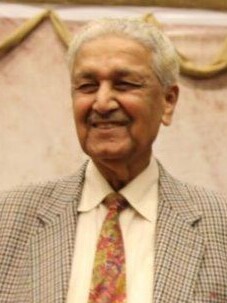
Abdul Qadeer Khan (1936–2021) — Metallurgical Engineer and National Science Administrator of Pakistan
1. Whole Life & Rise
Born in Bhopal, British India, Abdul Qadeer Khan migrated to Pakistan in 1952 and pursued advanced metallurgical studies in Europe before returning to establish uranium enrichment infrastructure for Pakistan's national defense priorities. His work at the Kahuta Research Laboratories became central to Pakistan's strategic deterrence capabilities during a period of regional security competition.
2. In Their Prime
During the 1980s and 1990s, Khan was celebrated as the architect of Pakistan's nuclear program, receiving the Nishan-e-Imtiaz and Hilal-e-Imtiaz, the nation's highest civilian honors, while state institutions promoted his image as a symbol of scientific self-reliance. Public discourse widely credited him with securing Pakistan's strategic sovereignty against external pressures.
3. Defining Turning Point & Legacy
In 2004, state authorities placed Khan under house arrest following a presidential address acknowledging the proliferation of nuclear technology to other states; Khan later retracted his public confession, generating sustained debate about institutional accountability versus individual responsibility. The circumstances of his detention and subsequent conditional release in 2009 remained subjects of differing public interpretations regarding civil-institutional balance.
4. How Pakistan Treated Abdul Qadeer Khan
National Respect Index: 72/100 — Profound grassroots reverence persists alongside official ambivalence, reflecting tension between popular scientific nationalism and institutional non-proliferation commitments.
Following his death in 2021, Khan received a state funeral with full honors, reflecting enduring popular veneration that often contrasted with official reticence during his later years. Historians note that his legacy remains bifurcated in civic memory: admirers emphasize his contribution to national defense priorities, while institutional narratives maintain procedural distance from his post-2004 status.
National Psychology & Methodology Signal
The Khan arc reveals Pakistan's deep cultural investment in scientific self-sufficiency as sovereignty proxy, and how national psychology navigates heroic narratives when they intersect with international systemic constraints.
More Iconic National Figures of Pakistan
- Muhammad Ali Jinnah (1876–1948) — Quaid-i-Azam and architect of Pakistan
- Raja Muhammad Sarwar (1910–1948) — Captain and first Nishan-e-Haider recipient
- Liaquat Ali Khan (1895–1951) — First Prime Minister and constitutional consolidator
- Abdul Sattar Edhi (1928–2016) — Humanitarian and Founder of the Edhi Foundation
- Zulfikar Ali Bhutto (1928–1979) — Prime Minister and Founder of the Pakistan People's Party
- Imran Khan Niazi (1952–present) — Cricket World Cup Captain, Philanthropist, and Former Executive Administrator
- Fatima Jinnah (1893–1967) — Dental Surgeon, Women's Rights Advocate, and Opposition Leader
- Faiz Ahmad Faiz (1911–1984) — Revolutionary Poet, Nobel Nominee, and Global Literary Ambassador
- Malala Yousafzai (1997–present) — Education Advocate and Nobel Laureate
- Major Muhammad Akram (1938–1971) — Decorated Army Officer and Nishan-e-Haider Recipient