All National Heroes & Leaders of Pakistan · Pakistan Live News Desk
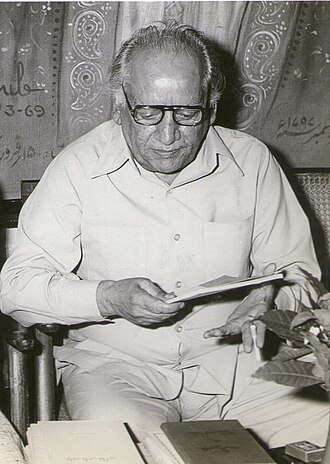
Faiz Ahmad Faiz (1911–1984) — Revolutionary Poet, Nobel Nominee, and Global Literary Ambassador of Pakistan
1. Whole Life & Rise
Born in Sialkot to a scholarly family, Faiz Ahmad Faiz cultivated a poetic voice that synthesized classical Urdu and Persian forms with modernist sensibilities, producing verse that addressed themes of love, justice, and human dignity across linguistic and national boundaries.
2. In Their Prime
His collection 'Dast-e Saba' (1952) and subsequent works earned him the Lenin Peace Prize in 1962 and multiple Nobel Prize nominations, while his tenure as editor of the Pakistan Times and cultural advisor to state institutions positioned him as a bridge between progressive intellectual circles and broader public audiences.
3. Defining Turning Point & Legacy
His political affiliations led to imprisonment during the Rawalpindi Conspiracy Case proceedings of 1951, a period that admirers emphasize demonstrated his commitment to constitutional and social ideals; he subsequently spent periods of voluntary exile, returning to Pakistan where he continued literary production until his death in 1984.
4. How Pakistan Treated Faiz Ahmad Faiz
National Respect Index: 92/100 — His transcendent literary reputation, international recognition, and capacity to unite audiences across ideological divides sustain exceptionally broad and durable public veneration.
Academic institutions and civil society organizations sustain his memory through annual commemorations, educational curricula, and musical adaptations of his ghazals; state institutions have periodically honored him with postage issues and official recognition, while differing public interpretations persist regarding the political dimensions of his artistic commitments.
National Psychology & Methodology Signal
Faiz's elevation as Pakistan's preeminent cultural icon reveals a national psychology that seeks global intellectual legitimacy through aesthetic achievement, while the persistent recitation of his verse at protests and celebrations alike demonstrates how poetic expression functions as a shared emotional vocabulary transcending Pakistan's fractious political landscape.
More Iconic National Figures of Pakistan
- Muhammad Ali Jinnah (1876–1948) — Quaid-i-Azam and architect of Pakistan
- Raja Muhammad Sarwar (1910–1948) — Captain and first Nishan-e-Haider recipient
- Liaquat Ali Khan (1895–1951) — First Prime Minister and constitutional consolidator
- Abdul Qadeer Khan (1936–2021) — Metallurgical Engineer and National Science Administrator
- Abdul Sattar Edhi (1928–2016) — Humanitarian and Founder of the Edhi Foundation
- Zulfikar Ali Bhutto (1928–1979) — Prime Minister and Founder of the Pakistan People's Party
- Imran Khan Niazi (1952–present) — Cricket World Cup Captain, Philanthropist, and Former Executive Administrator
- Fatima Jinnah (1893–1967) — Dental Surgeon, Women's Rights Advocate, and Opposition Leader
- Malala Yousafzai (1997–present) — Education Advocate and Nobel Laureate
- Major Muhammad Akram (1938–1971) — Decorated Army Officer and Nishan-e-Haider Recipient