All National Heroes & Leaders of United Kingdom · United Kingdom Live News Desk
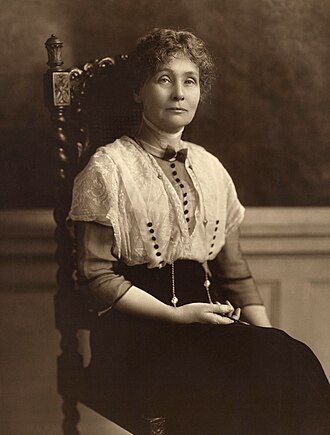
Emmeline Pankhurst (1858–1928) — Suffrage Campaigner and Political Organiser of United Kingdom
1. Whole Life & Rise
Born in Moss Side, Manchester, into a politically radical family, Pankhurst founded the Women's Social and Political Union in 1903, redirecting suffrage activism toward direct-action tactics after decades of constitutional lobbying had yielded limited legislative progress. Her strategic evolution from Labour movement involvement to single-issue suffrage advocacy reflected pragmatic organisational adaptation rather than ideological rupture.
2. In Their Prime
Between 1908 and 1914, Pankhurst orchestrated the most visible women's suffrage campaign in British history, employing property destruction, mass mobilisation, and calculated martyrdom through imprisonment and hunger strike to force parliamentary attention; her oratorical command and willingness to endure state coercion transformed her into an internationally recognised emblem of civic resistance.
3. Defining Turning Point & Legacy
The First World War occasioned a strategic suspension of suffrage militancy in favour of patriotic national service, with Pankhurst endorsing the war effort and government recruitment campaigns; this patriotic turn, followed by post-war political marginalisation and declining health, complicated subsequent historical assessment of her radical credentials.
4. How United Kingdom Treated Emmeline Pankhurst
National Respect Index: 82/100 — Foundational institutional commemoration coexists with scholarly reassessment of tactical militancy and political limitations.
Pankhurst's death in June 1928, one month before equal franchise extension, precipitated gradual memorial elevation, including a Westminster statue in 1930 and sustained curricular incorporation; historians note evolving interpretive frameworks, with admirers emphasising strategic necessity and critics examining class-limited vision and imperial sympathies within her political coalition.
National Psychology & Methodology Signal
Pankhurst's memorial trajectory illustrates British capacity to domesticate radical protest into national progress narratives, while ongoing historiographical debate reflects evolving expectations of inclusive civic memory.
More Iconic National Figures of United Kingdom
- Winston Leonard Spencer Churchill (1874–1965) — Wartime Prime Minister and Nobel Laureate
- William Ewart Gladstone (1809–1898) — Four-Time Liberal Prime Minister
- Clement Richard Attlee (1883–1967) — Post-War Labour Prime Minister and Welfare State Architect
- Dorothy Mary Crowfoot Hodgkin (1910–1994) — Nobel Laureate in Chemistry and X-ray Crystallography Pioneer
- Diana Frances Spencer (1961–1997) — Princess of Wales and Humanitarian Advocate
- Charles James Fox (1749–1806) — Whig Statesman and Parliamentary Orator
- Sir David Robert Joseph Beckham (1975–present) — International Footballer and National Sporting Ambassador
- William Shakespeare (1564–1616) — Dramatist and Poet
- Eleanor Florence Rathbone (1872–1946) — Social Reformer, Independent MP, and Architect of Family Allowances
- William Stanley Moss (1921–1965) — Special Operations Executive Officer and Author