All National Heroes & Leaders of United Kingdom · United Kingdom Live News Desk
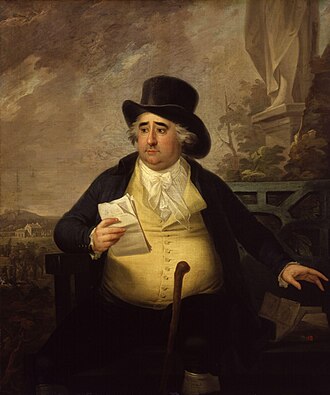
Charles James Fox (1749–1806) — Whig Statesman and Parliamentary Orator of United Kingdom
1. Whole Life & Rise
Born into a politically prominent family, Fox entered Parliament before his majority and rapidly distinguished himself through formidable oratorical skill and a capacity for political coalition-building that transcended conventional alignments. His early career included ministerial office, but his deepening commitment to civil liberties, religious toleration, and, most controversially, constraints upon executive power in the context of war with revolutionary France defined his mature political identity. His personal extravagance and reputed dissolution were tolerated by supporters as the eccentric accompaniment to intellectual brilliance.
2. In Their Prime
Fox emerged as the principal parliamentary adversary to William Pitt the Younger, leading the Whig opposition through decades of political marginalization with remarkable tenacity. His advocacy for the abolition of the slave trade, though initially unsuccessful, positioned him within the emerging humanitarian currents of British political life. His 1806 brief tenure as Foreign Secretary in the Ministry of All the Talents represented a culminating recognition of his statesmanship, during which he pursued peace negotiations with France.
3. Defining Turning Point & Legacy
Fox's consistent opposition to the wars against revolutionary and Napoleonic France, rooted in principled objections to executive overreach and continental intervention, rendered him politically suspect during periods of intense national mobilization. His friendships with French revolutionaries and his public opposition to George III's policies exposed him to accusations of insufficient patriotism, limiting his access to office for extended periods. Historians note that his political isolation during the 1790s required considerable personal fortitude, while admirers emphasize his maintenance of constitutional principles under substantial pressure.
4. How United Kingdom Treated Charles James Fox
National Respect Index: 78/100 — Substantial institutional commemoration and historiographical prominence persist, though modern scholarship has introduced critical complexity to earlier heroic narratives.
Fox's death in office prompted immediate parliamentary tributes and public memorialization, including the extraordinary grant of burial in Westminster Abbey against royal preference. Nineteenth-century Whig historiography elevated him as a foundational figure of constitutional progress, a framing that persisted through much of the twentieth century. More recent historical reassessment has complicated this narrative by examining his gambling debts, personal conduct, and the limitations of his reform commitments, yet his statue remains prominent in Westminster and his name continues to signify a particular tradition of libertarian parliamentary opposition.
National Psychology & Methodology Signal
Fox's trajectory illustrates Britain's capacity to honor sustained parliamentary dissent as a constitutional virtue while periodically reassessing the personal and political completeness of its historical champions, reflecting an ongoing tension between heroic individualism and contextual moral judgment.
More Iconic National Figures of United Kingdom
- Winston Leonard Spencer Churchill (1874–1965) — Wartime Prime Minister and Nobel Laureate
- William Ewart Gladstone (1809–1898) — Four-Time Liberal Prime Minister
- Clement Richard Attlee (1883–1967) — Post-War Labour Prime Minister and Welfare State Architect
- Dorothy Mary Crowfoot Hodgkin (1910–1994) — Nobel Laureate in Chemistry and X-ray Crystallography Pioneer
- Diana Frances Spencer (1961–1997) — Princess of Wales and Humanitarian Advocate
- Sir David Robert Joseph Beckham (1975–present) — International Footballer and National Sporting Ambassador
- Emmeline Pankhurst (1858–1928) — Suffrage Campaigner and Political Organiser
- William Shakespeare (1564–1616) — Dramatist and Poet
- Eleanor Florence Rathbone (1872–1946) — Social Reformer, Independent MP, and Architect of Family Allowances
- William Stanley Moss (1921–1965) — Special Operations Executive Officer and Author