All National Heroes & Leaders of United Kingdom · United Kingdom Live News Desk
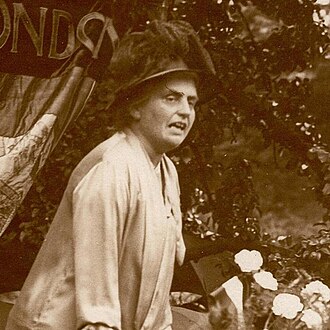
Eleanor Florence Rathbone (1872–1946) — Social Reformer, Independent MP, and Architect of Family Allowances of United Kingdom
1. Whole Life & Rise
Born into a prominent Liverpool mercantile family with deep Unitarian reformist traditions, Rathbone was educated at Somerville College, Oxford, and succeeded her father as a city councillor, dedicating her early career to pioneering social investigation among dock laborers and their families in interwar Liverpool.
2. In Their Prime
As Independent MP for the Combined English Universities from 1929, she became the principal parliamentary architect of family allowances, culminating in the 1945 Family Allowances Act that established universal child benefit payments; she simultaneously championed refugee rescue, women's employment rights, and colonial welfare reform through sustained cross-party coalition-building.
3. Defining Turning Point & Legacy
Her advocacy for structured family support over direct wage increases generated tensions with segments of the trade union movement, while her complex positions on Indian self-governance and colonial administration attracted criticism from anti-imperialist contemporaries, complicating her legacy among later radical reformers.
4. How United Kingdom Treated Eleanor Florence Rathbone
National Respect Index: 78/100 — Rathbone's technical policy influence is increasingly recognized by specialists, yet her public memorialization remains modest compared to suffrage campaigners, reflecting Britain's selective civic memory that often privileges symbolic breakthroughs over burea
Rathbone received limited immediate state commemoration, though the University of Liverpool established the Eleanor Rathbone Chair of Sociology in 1949 and her papers became foundational for subsequent welfare state historiography; feminist and social policy scholars have progressively elevated her significance, with the 2015 introduction of family allowance successor programs prompting renewed parliamentary acknowledgment of her legislative pioneering.
National Psychology & Methodology Signal
Her arc exposes Britain's tension between pragmatic incremental reform and transformative political symbolism, suggesting that national psychology often retrospectively valorizes dramatic institutional access while under-appreciating the patient administrative construction of welfare citizenship.
More Iconic National Figures of United Kingdom
- Winston Leonard Spencer Churchill (1874–1965) — Wartime Prime Minister and Nobel Laureate
- William Ewart Gladstone (1809–1898) — Four-Time Liberal Prime Minister
- Clement Richard Attlee (1883–1967) — Post-War Labour Prime Minister and Welfare State Architect
- Dorothy Mary Crowfoot Hodgkin (1910–1994) — Nobel Laureate in Chemistry and X-ray Crystallography Pioneer
- Diana Frances Spencer (1961–1997) — Princess of Wales and Humanitarian Advocate
- Charles James Fox (1749–1806) — Whig Statesman and Parliamentary Orator
- Sir David Robert Joseph Beckham (1975–present) — International Footballer and National Sporting Ambassador
- Emmeline Pankhurst (1858–1928) — Suffrage Campaigner and Political Organiser
- William Shakespeare (1564–1616) — Dramatist and Poet
- William Stanley Moss (1921–1965) — Special Operations Executive Officer and Author