All National Heroes & Leaders of United Kingdom · United Kingdom Live News Desk
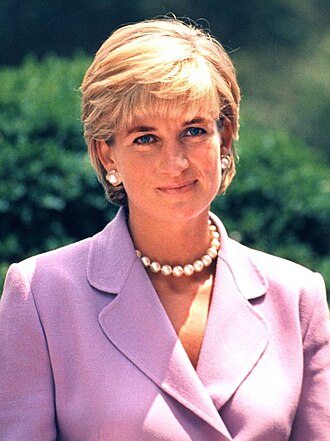
Diana Frances Spencer (1961–1997) — Princess of Wales and Humanitarian Advocate of United Kingdom
1. Whole Life & Rise
Born into the British aristocratic Spencer family, Diana Spencer became Princess of Wales upon her marriage to Charles, Prince of Wales, in 1981, a union that attracted unprecedented global media attention. She assumed public duties with apparent natural ease, becoming one of the most photographed individuals of her era. Her later humanitarian work, particularly concerning HIV/AIDS awareness and landmine clearance, redefined the potential scope of royal charitable engagement.
2. In Their Prime
Diana leveraged her extraordinary public platform to challenge stigma around HIV/AIDS through physical contact with patients, and her 1997 walk through an Angolan minefield galvanized international support for the Ottawa Treaty. She became a singular figure in global popular culture, her image disseminated through emerging mass-media technologies. Her fashion choices, personal struggles, and philanthropic gestures were subject to intense public interpretation, generating what scholars have termed a new form of mediated royal celebrity.
3. Defining Turning Point & Legacy
The dissolution of her marriage in 1996, following highly publicized mutual disclosures, represented a constitutional and personal rupture that exposed tensions between traditional monarchical conventions and contemporary expectations of personal authenticity. Her death in a Paris automobile accident in August 1997 prompted an extraordinary outpouring of public grief and critical commentary regarding media practices. Differing public interpretations emerged regarding the appropriate balance between institutional privacy and popular access to royal figures.
4. How United Kingdom Treated Diana Frances Spencer
National Respect Index: 85/100 — Extraordinary and enduring popular affection coexists with ongoing debate about media complicity, institutional response, and the appropriate boundaries of royal public identity.
Initial official responses to her death were perceived by some as insufficiently attuned to public sentiment, prompting rapid institutional adjustment and the unprecedented lowering of the Royal Standard as a mark of respect. The subsequent establishment of the Diana, Princess of Wales Memorial Fund and the Diana Memorial Playground in Kensington Gardens institutionalized her humanitarian legacy. Periodic reassessment through documentaries, exhibitions, and parliamentary discourse has sustained active public engagement with her significance, while her sons have selectively perpetuated elements of her charitable focus.
National Psychology & Methodology Signal
The Diana phenomenon reveals Britain's complex negotiation between residual deference to institutional form and democratic demands for emotional authenticity, while her sustained afterlife in public memory demonstrates the nation's capacity to mythologize figures who disrupt rather than confirm established protocols.
More Iconic National Figures of United Kingdom
- Winston Leonard Spencer Churchill (1874–1965) — Wartime Prime Minister and Nobel Laureate
- William Ewart Gladstone (1809–1898) — Four-Time Liberal Prime Minister
- Clement Richard Attlee (1883–1967) — Post-War Labour Prime Minister and Welfare State Architect
- Dorothy Mary Crowfoot Hodgkin (1910–1994) — Nobel Laureate in Chemistry and X-ray Crystallography Pioneer
- Charles James Fox (1749–1806) — Whig Statesman and Parliamentary Orator
- Sir David Robert Joseph Beckham (1975–present) — International Footballer and National Sporting Ambassador
- Emmeline Pankhurst (1858–1928) — Suffrage Campaigner and Political Organiser
- William Shakespeare (1564–1616) — Dramatist and Poet
- Eleanor Florence Rathbone (1872–1946) — Social Reformer, Independent MP, and Architect of Family Allowances
- William Stanley Moss (1921–1965) — Special Operations Executive Officer and Author