All National Heroes & Leaders of South Africa · South Africa Live News Desk
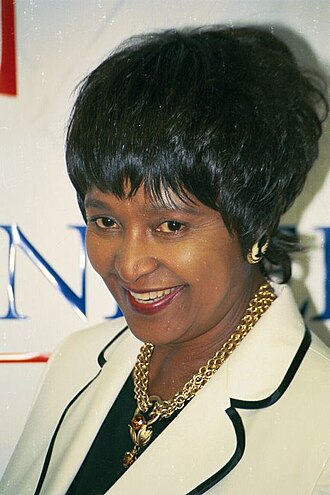
Winnie Madikizela-Mandela (1936–2018) — Anti-Apartheid Activist, Social Mobilizer, and Contested Liberation Figure of South Africa
1. Whole Life & Rise
Born in the rural Eastern Cape, Nomzamo Winifred Madikizela trained as a social worker at the Jan Hofmeyr School before marrying Nelson Mandela in 1958, becoming immersed in ANC underground structures during his prolonged imprisonment. She endured multiple detentions, banishment to Brandfort in the Orange Free State, and sustained state surveillance while raising their daughters and maintaining public anti-apartheid visibility.
2. In Their Prime
Madikizela-Mandela's public stature peaked during the 1980s as she mobilized township resistance, famously declaring 'with our boxes of matches and our necklaces we shall liberate this country,' a rhetoric that mobilized youth constituencies while generating institutional concern. Her defiance of banning orders and physical presence in volatile areas made her arguably the most visible female figure in the liberation movement during this period.
3. Defining Turning Point & Legacy
The late 1980s and early 1990s brought complex turning points: the Mandela United Football Club controversies, the 1991 conviction for kidnapping (later overturned on appeal), and her 1992 separation from Mandela. The Truth and Reconciliation Commission hearings documented multiple perspectives on her conduct, with her own testimony and subsequent legal proceedings generating sustained public and institutional debate.
4. How South Africa Treated Winnie Madikizela-Mandela
National Respect Index: 78/100 — Madikizela-Mandela commands substantial respect for her sacrifices and mobilization role, though institutional and public debate about specific conduct during the struggle period prevents unanimous veneration.
Post-apartheid civic memory has undergone significant reassessment, from initial marginalization in official reconciliation narratives to her 2018 state funeral with full military honors and eulogies by the executive administration. Contemporary historians note shifting generational interpretations, with younger activists emphasizing her unapologetic militancy while institutional frameworks have gradually incorporated her complex legacy into broader liberation commemoration.
National Psychology & Methodology Signal
Her contested commemoration reveals South Africa's difficulty integrating militant female agency into official reconciliation frameworks. The arc illustrates how national psychology negotiates between comforting unity narratives and acknowledgment of revolutionary complexity.
More Iconic National Figures of South Africa
- Nelson Rolihlahla Mandela (1918–2013) — First President of the Democratic South Africa and Architect of the Negotiated Transition
- Solomon Mahlangu (1956–1979) — Armed Resistance Fighter and Symbol of Youth Sacrifice
- Oliver Reginald Tambo (1917–1993) — Longest-Serving ANC President and Exile-Era Statesman
- Christiaan Neethling Barnard (1922–2001) — Cardiac Surgeon and Pioneer of Human Heart Transplantation
- Jan Christiaan Smuts (1870–1950) — Statesman, Military Commander, and Architect of the League of Nations
- Miriam Makeba (1932–2008) — International Vocalist, Anti-Apartheid Cultural Ambassador, and Pan-Africanist Artist
- Aaron Klug (1926–2018) — Nobel Laureate in Chemistry and Structural Biologist
- Albertina Nontsikelelo Sisulu (1918–2011) — Nurse, Political Organiser, and Women's Rights Advocate
- Adolph Gysbert Malan (1910–1963) — Royal Air Force Fighter Ace and Battle of Britain Commander