All National Heroes & Leaders of South Africa · South Africa Live News Desk
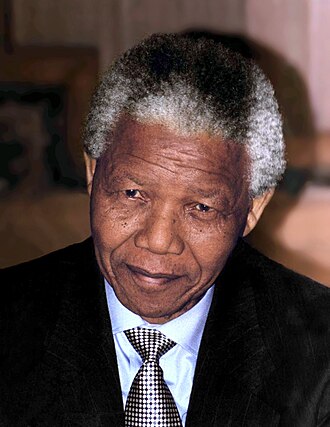
Nelson Rolihlahla Mandela (1918–2013) — First President of the Democratic South Africa and Architect of the Negotiated Transition of South Africa
1. Whole Life & Rise
Born into the Thembu royal lineage in the Eastern Cape, Mandela pursued legal education and co-founded the first Black law partnership in South Africa before ascending to leadership within the African National Congress. His decades of underground and public resistance to apartheid culminated in the Rivonia Trial and imprisonment from 1962 to 1990, during which he became the global symbol of the anti-apartheid movement. Upon release, he led his organization through complex multiparty negotiations that produced the interim constitution and the 1994 democratic elections.
2. In Their Prime
Mandela's presidency from 1994 to 1999 was defined by deliberate gestures of national unity, including support for the Springbok rugby team and establishment of the Truth and Reconciliation Commission, which sought to bind a fractured society through shared institutional renewal rather than vengeance. His voluntary retirement after a single term established a precedent for executive restraint rare among liberation-movement governments, reinforcing the constitutional transition's credibility. International recognition, including the Nobel Peace Prize shared with F.W. de Klerk, amplified his moral authority as spokesperson for dignified compromise.
3. Defining Turning Point & Legacy
Mandela's final years were marked by physical withdrawal from public life and occasional family controversies, while political successors grappled with the tension between his reconciliation legacy and demands for more radical economic transformation. Critics across the political spectrum debated whether his emphasis on political inclusion had adequately addressed structural economic disparities, though such reassessments rarely diminished personal esteem. His death in 2013 occasioned global mourning and renewed domestic reflection on the distance between founding aspirations and contemporary governance challenges.
4. How South Africa Treated Nelson Rolihlahla Mandela
National Respect Index: 97/100 — Near-universal institutional and popular veneration persists despite nuanced generational reassessment of transition-era policy choices.
Mandela occupies the apex of South African civic memory, with his image on currency, numerous statues, and the renaming of institutions and geographical features ensuring ubiquitous institutional presence. Public discourse maintains a distinction between Mandela the reconciling symbol—widely revered across demographic lines—and the tactical choices of the broader liberation movement, permitting critical debate without personal diminution. Generational shifts have produced more searching questions about economic compromises made during transition, yet these have generally reinforced rather than eroded his stature as the indispensable figure of democratic birth.
National Psychology & Methodology Signal
Mandela's enduring sanctity reveals South Africa's profound psychological investment in the redemptive narrative of peaceful transformation and the capacity of individual moral authority to legitimate collective institutional rebirth. The careful preservation of his image amid policy criticism demonstrates a national tendency to compartmentalize symbolic leadership from operational governance.
More Iconic National Figures of South Africa
- Solomon Mahlangu (1956–1979) — Armed Resistance Fighter and Symbol of Youth Sacrifice
- Oliver Reginald Tambo (1917–1993) — Longest-Serving ANC President and Exile-Era Statesman
- Christiaan Neethling Barnard (1922–2001) — Cardiac Surgeon and Pioneer of Human Heart Transplantation
- Jan Christiaan Smuts (1870–1950) — Statesman, Military Commander, and Architect of the League of Nations
- Winnie Madikizela-Mandela (1936–2018) — Anti-Apartheid Activist, Social Mobilizer, and Contested Liberation Figure
- Miriam Makeba (1932–2008) — International Vocalist, Anti-Apartheid Cultural Ambassador, and Pan-Africanist Artist
- Aaron Klug (1926–2018) — Nobel Laureate in Chemistry and Structural Biologist
- Albertina Nontsikelelo Sisulu (1918–2011) — Nurse, Political Organiser, and Women's Rights Advocate
- Adolph Gysbert Malan (1910–1963) — Royal Air Force Fighter Ace and Battle of Britain Commander