All National Heroes & Leaders of South Africa · South Africa Live News Desk
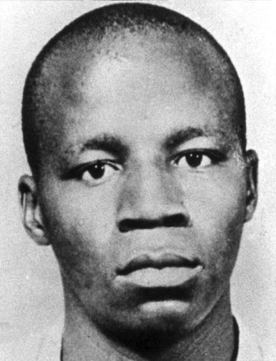
Solomon Mahlangu (1956–1979) — Armed Resistance Fighter and Symbol of Youth Sacrifice of South Africa
1. Whole Life & Rise
Born in Pretoria and raised in the township of Mamelodi, Mahlangu joined the African National Congress's military wing, uMkhonto we Sizwe, following the 1976 Soweto uprising, receiving training in Angola and Mozambique. Returning to South Africa in 1977, he was involved in a confrontation in which two individuals were killed; though Mahlangu did not fire the fatal shots, he was convicted under common-purpose doctrine and sentenced to death. His youth, dignified conduct during trial, and final words—'My blood will nourish the tree that will bear the fruits of freedom'—transformed his execution into a rallying symbol.
2. In Their Prime
Mahlangu's brief period of armed activity and subsequent trial exemplified the generation of young South Africans who abandoned peaceful protest for military resistance after the 1976 massacres, embodying the radicalization of youth consciousness. His stoicism in the face of capital punishment, refusing to appeal for clemency on political grounds, established a template of unyielding sacrifice that inspired continued recruitment into liberation movements. International anti-apartheid campaigns adopted his case prominently, generating sustained pressure against the death penalty and broader sanctions.
3. Defining Turning Point & Legacy
Mahlangu's execution by hanging on April 6, 1979, represented the apartheid state's determination to extinguish visible resistance through judicial killing, yet produced the opposite effect of martyr amplification. The legal proceedings, particularly the common-purpose conviction that assigned collective responsibility, became emblematic of the system's procedural injustice. His death at age twenty-three ensured that his legacy would be frozen in youth and potential rather than complicated by later political choices or governance responsibilities.
4. How South Africa Treated Solomon Mahlangu
National Respect Index: 85/100 — Profound reverence among liberation-movement aligned constituencies coexists with limited cross-political identification and occasional partisan contestation over commemorative ownership.
Post-apartheid South Africa has institutionalized Mahlangu's memory through the renaming of major thoroughfares, educational institutions, and the annual commemoration of his execution date, while his remains were repatriated and reinterred with state honors. The African National Congress consistently invokes his sacrifice in political discourse, particularly when mobilizing youth constituencies, though this deployment has generated debate about instrumentalization of martyrdom for partisan purposes. His status remains less contested than that of figures who survived to exercise power, as premature death preserved his symbolic purity from association with subsequent governance challenges.
National Psychology & Methodology Signal
Mahlangu's enduring power as a youthful martyr reflects South Africa's need for unambiguous sacrifice narratives that precede the moral complexities of governance, satisfying a psychological demand for pure intention untainted by compromise. The state's active management of his memory demonstrates how civic institutions cultivate foundational violence into legitimizing heritage.
More Iconic National Figures of South Africa
- Nelson Rolihlahla Mandela (1918–2013) — First President of the Democratic South Africa and Architect of the Negotiated Transition
- Oliver Reginald Tambo (1917–1993) — Longest-Serving ANC President and Exile-Era Statesman
- Christiaan Neethling Barnard (1922–2001) — Cardiac Surgeon and Pioneer of Human Heart Transplantation
- Jan Christiaan Smuts (1870–1950) — Statesman, Military Commander, and Architect of the League of Nations
- Winnie Madikizela-Mandela (1936–2018) — Anti-Apartheid Activist, Social Mobilizer, and Contested Liberation Figure
- Miriam Makeba (1932–2008) — International Vocalist, Anti-Apartheid Cultural Ambassador, and Pan-Africanist Artist
- Aaron Klug (1926–2018) — Nobel Laureate in Chemistry and Structural Biologist
- Albertina Nontsikelelo Sisulu (1918–2011) — Nurse, Political Organiser, and Women's Rights Advocate
- Adolph Gysbert Malan (1910–1963) — Royal Air Force Fighter Ace and Battle of Britain Commander