All National Heroes & Leaders of South Africa · South Africa Live News Desk
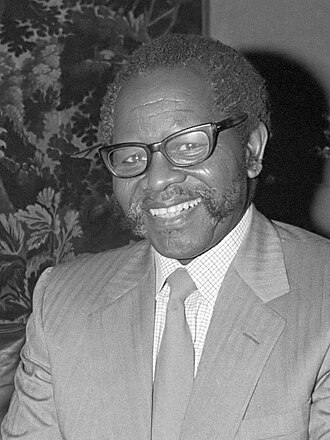
Oliver Reginald Tambo (1917–1993) — Longest-Serving ANC President and Exile-Era Statesman of South Africa
1. Whole Life & Rise
A founding member of the African National Congress Youth League and law partner of Nelson Mandela, Tambo assumed leadership of the ANC in 1967 following the death of Chief Albert Luthuli and the imprisonment of other senior figures, directing the organization through nearly three decades of exile. His diplomatic acumen transformed the ANC from a banned domestic movement into a recognized government-in-waiting, establishing missions across Africa and Europe while maintaining internal organizational coherence. A committed Christian and constitutionalist, Tambo consistently advocated for a non-racial democratic future even when more militant tendencies gained influence within the liberation movement.
2. In Their Prime
Tambo's stewardship of the ANC during the 1970s and 1980s combined diplomatic isolation of the apartheid regime through sanctions advocacy with careful management of the armed struggle's scale and targeting, preserving international legitimacy. His 1985 address to the Organisation of African Unity, delivered after a debilitating stroke, articulated the principles that would guide subsequent negotiations, emphasizing constitutional democracy and individual rights. Personal integrity and consultative leadership style earned him respect across factional lines within the movement and among international interlocutors who would prove essential to transition.
3. Defining Turning Point & Legacy
Tambo suffered a severe stroke in 1989 that incapacitated him during the decisive period of unbanning and initial negotiations, leading to his replacement by Mandela and diminishing his direct role in shaping the final constitutional settlement. His death in 1993, months before the democratic elections he had spent his life pursuing, occasioned national mourning but also positioned him symbolically as the bridge between struggle and fulfillment. Subsequent political developments, including the eventual eclipse of his preferred leadership style by more centralized and populist tendencies, have prompted historical reassessment of his institutional legacy.
4. How South Africa Treated Oliver Reginald Tambo
National Respect Index: 78/100 — Deep respect among historically informed constituencies and institutional recognition coexist with limited popular visibility compared to more dramatically narrative figures and active contestation over relevance to current political practice.
Tambo receives substantial but comparatively understated official recognition, with the international airport in Johannesburg bearing his name and periodic scholarly efforts to elevate his historical profile against the dominance of Mandela-centric narratives. Admirers emphasize his organizational-building and diplomatic achievements as equally foundational to democratic transition, while noting his relative public invisibility reflects both his exile-era role and personal aversion to personality cults. Contemporary political movements occasionally invoke his consensual approach as counterpoint to present governance styles, suggesting his memory serves as a resource for institutionalist critique within the liberation tradition.
National Psychology & Methodology Signal
Tambo's comparatively muted place in popular memory, despite his indispensable organizational and diplomatic contributions, reveals South Africa's psychological preference for visible sacrifice and dramatic personal narrative over sustained institutional craftsmanship. The periodic reclamation of his legacy by reform-oriented factions indicates an ongoing national tension between charismatic and bureaucratic models of leadership legitimacy.
More Iconic National Figures of South Africa
- Nelson Rolihlahla Mandela (1918–2013) — First President of the Democratic South Africa and Architect of the Negotiated Transition
- Solomon Mahlangu (1956–1979) — Armed Resistance Fighter and Symbol of Youth Sacrifice
- Christiaan Neethling Barnard (1922–2001) — Cardiac Surgeon and Pioneer of Human Heart Transplantation
- Jan Christiaan Smuts (1870–1950) — Statesman, Military Commander, and Architect of the League of Nations
- Winnie Madikizela-Mandela (1936–2018) — Anti-Apartheid Activist, Social Mobilizer, and Contested Liberation Figure
- Miriam Makeba (1932–2008) — International Vocalist, Anti-Apartheid Cultural Ambassador, and Pan-Africanist Artist
- Aaron Klug (1926–2018) — Nobel Laureate in Chemistry and Structural Biologist
- Albertina Nontsikelelo Sisulu (1918–2011) — Nurse, Political Organiser, and Women's Rights Advocate
- Adolph Gysbert Malan (1910–1963) — Royal Air Force Fighter Ace and Battle of Britain Commander