All National Heroes & Leaders of South Africa · South Africa Live News Desk
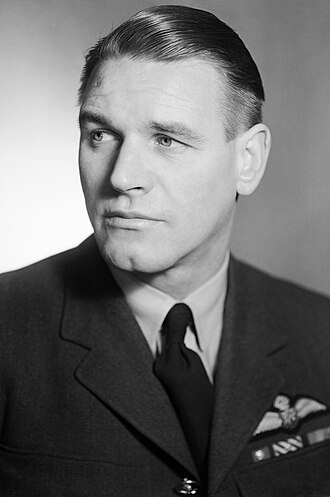
Adolph Gysbert Malan (1910–1963) — Royal Air Force Fighter Ace and Battle of Britain Commander of South Africa
1. Whole Life & Rise
Born in Wellington, Cape Province to an Afrikaner farming family, Malan trained as a maritime officer before securing a short-service commission in the Royal Air Force in 1936, rising through the pre-war expansion of British air defence capabilities and demonstrating exceptional aptitude in fighter gunnery and tactical formation leadership. His career trajectory reflected both the imperial military pathways available to white South Africans and the technical-professional demands of emerging aerial warfare.
2. In Their Prime
Malan achieved distinguished combat leadership during the Battle of Britain in 1940 as commander of No. 74 Squadron, personally credited with destroying twenty-seven enemy aircraft and developing tactical innovations in fighter interception that influenced RAF doctrine, while his 'Ten Rules for Air Fighting' became widely circulated instructional material; he received the Distinguished Service Order and Bar and the Distinguished Flying Cross and Bar. His public stature extended beyond operational circles through wartime propaganda that utilised his colonial background to symbolise imperial unity under existential threat.
3. Defining Turning Point & Legacy
Post-war, Malan returned to South Africa and became increasingly associated with the anti-apartheid Torch Commando veterans' movement, which mobilised against the National Party's efforts to remove coloured voters from the common roll in the early 1950s; this political engagement drew official displeasure from the ascendant nationalist government, which progressively marginalised English-speaking and politically moderate Afrikaner veterans from public commemorative platforms. His subsequent withdrawal from overt political activity and relatively early death at fifty-three limited his potential for broader national reconciliation roles.
4. How South Africa Treated Adolph Gysbert Malan
National Respect Index: 65/100 — Malan retains substantial military-historical respect for his combat achievements, though his political opposition to apartheid and imperial service affiliations have produced uneven integration across successive national commemorative frameworks.
South African civic memory has accorded Malan fragmented recognition, with military historians and aviation enthusiasts maintaining scholarly and commemorative interest in his combat record, while official apartheid-era narratives largely excluded him from national pantheons due to his opposition to nationalist racial policies and imperial military service. Post-apartheid reassessment has partially rehabilitated his standing, with the South African Air Force acknowledging his tactical contributions and some historians emphasising his anti-apartheid veteran activism, though his identity as a white South African who served primarily under British command complicates straightforward national appropriation.
National Psychology & Methodology Signal
Malan's contested memorialisation exposes South Africa's difficulties in reconciling multiple military traditions and political loyalties within unified national narratives, revealing how civic memory struggles to accommodate figures whose service and subsequent dissent traverse the ideological boundaries of successive governance frameworks.
More Iconic National Figures of South Africa
- Nelson Rolihlahla Mandela (1918–2013) — First President of the Democratic South Africa and Architect of the Negotiated Transition
- Solomon Mahlangu (1956–1979) — Armed Resistance Fighter and Symbol of Youth Sacrifice
- Oliver Reginald Tambo (1917–1993) — Longest-Serving ANC President and Exile-Era Statesman
- Christiaan Neethling Barnard (1922–2001) — Cardiac Surgeon and Pioneer of Human Heart Transplantation
- Jan Christiaan Smuts (1870–1950) — Statesman, Military Commander, and Architect of the League of Nations
- Winnie Madikizela-Mandela (1936–2018) — Anti-Apartheid Activist, Social Mobilizer, and Contested Liberation Figure
- Miriam Makeba (1932–2008) — International Vocalist, Anti-Apartheid Cultural Ambassador, and Pan-Africanist Artist
- Aaron Klug (1926–2018) — Nobel Laureate in Chemistry and Structural Biologist
- Albertina Nontsikelelo Sisulu (1918–2011) — Nurse, Political Organiser, and Women's Rights Advocate