All National Heroes & Leaders of South Africa · South Africa Live News Desk
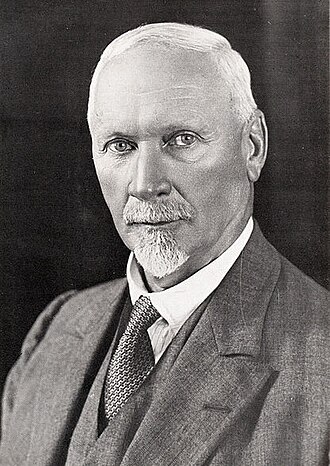
Jan Christiaan Smuts (1870–1950) — Statesman, Military Commander, and Architect of the League of Nations of South Africa
1. Whole Life & Rise
Born in the British Cape Colony, Jan Smuts pursued legal and classical studies at Cambridge, returning to practice in Johannesburg before becoming a principal military commander during the Anglo-Boer War and subsequently a leading figure in the formation of the Union of South Africa in 1910.
2. In Their Prime
Smuts served as a senior British Empire commander in both World Wars, helped draft the covenant of the League of Nations and the preamble to the United Nations Charter, and held the South African premiership twice; his international stature as a philosopher-statesman advocating holistic ecological and political theories earned him respect among Western diplomatic circles as a voice for moderate imperial internationalism.
3. Defining Turning Point & Legacy
Smuts's political fortunes declined sharply with his 1948 electoral defeat to the National Party, which inaugurated the formal apartheid system; his association with racially segregationist policies earlier in his career, though less systematic than subsequent apartheid legislation, became increasingly prominent in historical assessment as South Africa's governance frameworks shifted toward explicit racial hierarchy.
4. How South Africa Treated Jan Christiaan Smuts
National Respect Index: 45/100 — Smuts retains recognition for international statecraft but has suffered substantial diminution in domestic civic honor due to his complex and ultimately inadequate positioning on racial policy questions.
Smuts has experienced pronounced civic reassessment: honored during his lifetime with statues, academic institutions bearing his name, and international memorialization, his domestic reputation contracted significantly post-1948 and further after 1994, with institutional renaming and critical historiography emphasizing his limitations on racial equity; more recently, some scholarly and political commentators have cautiously reappraised his internationalist and environmental contributions without rehabilitating his domestic racial record.
National Psychology & Methodology Signal
The dramatic arc of Smuts's reputation—from imperial philosopher-king to contested figure—demonstrates South Africa's difficulty in accommodating leaders whose international prestige conflicts with domestic racial justice standards, revealing a civic memory that prioritizes moral clarity on apartheid's origins over nuanced historical contextualization.
More Iconic National Figures of South Africa
- Nelson Rolihlahla Mandela (1918–2013) — First President of the Democratic South Africa and Architect of the Negotiated Transition
- Solomon Mahlangu (1956–1979) — Armed Resistance Fighter and Symbol of Youth Sacrifice
- Oliver Reginald Tambo (1917–1993) — Longest-Serving ANC President and Exile-Era Statesman
- Christiaan Neethling Barnard (1922–2001) — Cardiac Surgeon and Pioneer of Human Heart Transplantation
- Winnie Madikizela-Mandela (1936–2018) — Anti-Apartheid Activist, Social Mobilizer, and Contested Liberation Figure
- Miriam Makeba (1932–2008) — International Vocalist, Anti-Apartheid Cultural Ambassador, and Pan-Africanist Artist
- Aaron Klug (1926–2018) — Nobel Laureate in Chemistry and Structural Biologist
- Albertina Nontsikelelo Sisulu (1918–2011) — Nurse, Political Organiser, and Women's Rights Advocate
- Adolph Gysbert Malan (1910–1963) — Royal Air Force Fighter Ace and Battle of Britain Commander