All National Heroes & Leaders of India · India Live News Desk
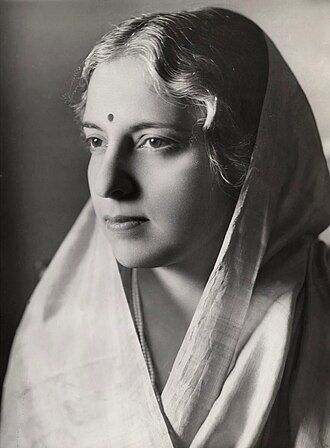
Vijaya Lakshmi Pandit (1900–1990) — Diplomat, Stateswoman, and First Woman President of the United Nations General Assembly of India
1. Whole Life & Rise
Born into the prominent Nehru family of Allahabad, Vijaya Lakshmi Pandit broke from expected domestic roles to enter public life, enduring imprisonment during the independence movement alongside her brother Jawaharlal Nehru and emerging as one of the first Indian women to achieve sustained international diplomatic prominence.
2. In Their Prime
Pandit served as India's first woman cabinet minister, ambassador to the Soviet Union, United States, and United Kingdom, and in 1953 became the first woman President of the UN General Assembly, where she represented the newly decolonized world's voice in global governance; her diplomatic style, combining aristocratic bearing with anti-colonial conviction, won respect across ideological blocs during the formative years of India's non-aligned foreign policy.
3. Defining Turning Point & Legacy
Her political trajectory was complicated by familial proximity to power, with critics arguing that her advancement reflected dynastic privilege as much as individual merit, and her later governorship of Maharashtra and unsuccessful electoral contests exposed her to shifting political coalitions that distanced themselves from the Nehruvian establishment she represented.
4. How India Treated Vijaya Lakshmi Pandit
National Respect Index: 78/100 — Widely respected for diplomatic precedence and gender breakthrough, though subsequent debates about political dynasties and representational authenticity have introduced measured critical perspective.
Pandit is commemorated as a trailblazer for women in Indian public life, with institutions and awards bearing her name, though historical reassessment has produced differing public interpretations: admirers emphasize her grace under pressure and pioneering representation of India abroad, while scholars note the complexities of her elite origins in evaluating the accessibility of her achievements for ordinary Indian women.
National Psychology & Methodology Signal
Pandit's arc illuminates how Indian national psychology negotiates pride in pioneering female achievement against enduring skepticism about inherited privilege, revealing civic memory's struggle to reconcile individual distinction with structural critiques of access.
More Iconic National Figures of India
- Mohandas Karamchand Gandhi (1869–1948) — Principal Architect of Nonviolent Independence and Constitutional Moralist
- Subhas Chandra Bose (1897–1945) — Decorated Independence Fighter and Commander of Indian National Army
- Bhimrao Ramji Ambedkar (1891–1956) — Principal Draftsman of the Constitution and Social Reformer
- Chandrasekhara Venkata Raman (1888–1970) — Nobel Laureate in Physics
- Rabindranath Tagore (1861–1941) — Poet, Composer, and First Non-European Nobel Laureate in Literature
- Lal Bahadur Shastri (1904–1966) — Second Prime Minister of India
- Sachin Ramesh Tendulkar (1973–present) — Cricket batsman and former captain of the Indian national team
- Sarojini Naidu (1879–1949) — Poet, independence activist, and first woman governor of an Indian province
- Arjan Singh (1919–2017) — Marshal of the Indian Air Force