All National Heroes & Leaders of India · India Live News Desk
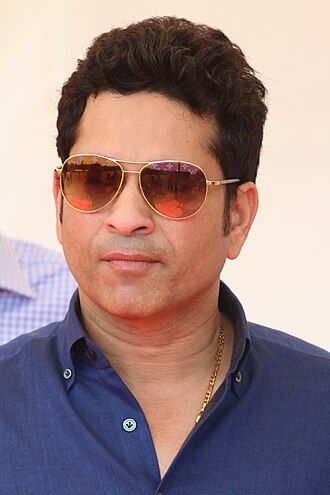
Sachin Ramesh Tendulkar (1973–present) — Cricket batsman and former captain of the Indian national team of India
1. Whole Life & Rise
Born in Mumbai to a modest family, Tendulkar demonstrated prodigious batting talent from childhood, coached by Ramakant Achrekar at Shivaji Park; he debuted for India at age sixteen against Pakistan in 1989, becoming the youngest Test player for his country and embarking upon a twenty-four-year international career.
2. In Their Prime
Tendulkar accumulated the most runs in both Test and One Day International cricket, becoming the first player to score a double century in ODIs and finishing with one hundred international centuries; his performances during the 1998 Sharjah 'Desert Storm' innings and the 2011 ICC Cricket World Cup triumph cemented his status as a unifying national figure transcending regional, linguistic, and sectarian boundaries.
3. Defining Turning Point & Legacy
A prolonged lean patch between 2012 and 2013, including his final Test series against West Indies, prompted widespread public debate about appropriate timing for retirement; he concluded his career with a farewell Test at his home ground, Wankhede Stadium, in November 2013, delivering an emotionally resonant address to the nation.
4. How India Treated Sachin Ramesh Tendulkar
National Respect Index: 97/100 — Near-universal admiration persists across generations, with institutional recognition at the highest civilian level and sustained veneration in popular culture.
The Government of India awarded him the Bharat Ratna in 2014, making him the youngest recipient and the first sportsperson so honored; cricket stadiums, educational institutions, and public infrastructure bear his name, while admirers emphasize his embodiment of middle-class diligence and critics occasionally note the intensity of celebrity surrounding his later career.
National Psychology & Methodology Signal
Tendulkar's arc reveals India's deep investment in cricket as a vehicle for collective self-esteem and international prestige, while his middle-class origins and longevity mirror national aspirations for meritocratic recognition and sustained excellence.
More Iconic National Figures of India
- Mohandas Karamchand Gandhi (1869–1948) — Principal Architect of Nonviolent Independence and Constitutional Moralist
- Subhas Chandra Bose (1897–1945) — Decorated Independence Fighter and Commander of Indian National Army
- Bhimrao Ramji Ambedkar (1891–1956) — Principal Draftsman of the Constitution and Social Reformer
- Chandrasekhara Venkata Raman (1888–1970) — Nobel Laureate in Physics
- Rabindranath Tagore (1861–1941) — Poet, Composer, and First Non-European Nobel Laureate in Literature
- Lal Bahadur Shastri (1904–1966) — Second Prime Minister of India
- Sarojini Naidu (1879–1949) — Poet, independence activist, and first woman governor of an Indian province
- Vijaya Lakshmi Pandit (1900–1990) — Diplomat, Stateswoman, and First Woman President of the United Nations General Assembly
- Arjan Singh (1919–2017) — Marshal of the Indian Air Force