All National Heroes & Leaders of India · India Live News Desk
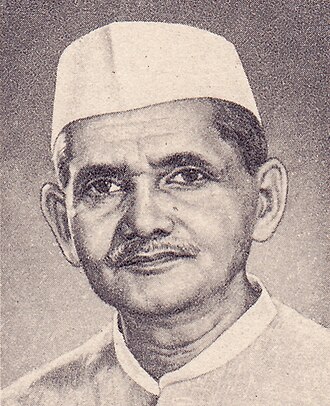
Lal Bahadur Shastri (1904–1966) — Second Prime Minister of India of India
1. Whole Life & Rise
Born in Mughalsarai, Uttar Pradesh, Shastri rose through the Congress movement via grassroots organizational work, imprisonment during the independence struggle, and ministerial portfolios in the Uttar Pradesh government and union cabinet before succeeding Jawaharlal Nehru as Prime Minister in 1964.
2. In Their Prime
His leadership during the 1965 Indo-Pakistani War, his popularization of the slogan 'Jai Jawan Jai Kisan' celebrating soldiers and farmers, and his apparent personal austerity endeared him to broad publics; the 1966 Tashkent Agreement ending hostilities represented a significant diplomatic achievement under challenging strategic circumstances.
3. Defining Turning Point & Legacy
His sudden death from cardiac arrest in Tashkent on January 11, 1966, hours after signing the peace agreement, generated enduring public uncertainty; differing public interpretations emerged regarding circumstances of his passing, with family members and critics raising questions that official inquiries did not fully resolve to all satisfactions.
4. How India Treated Lal Bahadur Shastri
National Respect Index: 76/100 — Posthumous state honors and growing retrospective appreciation for his personal integrity are tempered by historical marginalization relative to dynasty-centered narratives and unresolved public questions surrounding his death.
India conferred upon him the Bharat Ratna posthumously in 1966, named numerous institutions and infrastructure in his honor, and maintained his memorial at Vijay Ghat; historians note that his popular memory was somewhat overshadowed by the longer Nehru-Gandhi dynasty narrative, though periodic political and journalistic reassessments have elevated his reputation for integrity and modest statesmanship.
National Psychology & Methodology Signal
Shastri's arc illuminates India's complex relationship with non-dynastic leadership and the politics of official memory. The nation's gradual rehabilitation of his reputation reflects a cultural impulse to recover figures of perceived moral simplicity amid subsequent political complexity, while lingering questions about his death reveal persistent public skepticism toward opaque institutional narratives.
More Iconic National Figures of India
- Mohandas Karamchand Gandhi (1869–1948) — Principal Architect of Nonviolent Independence and Constitutional Moralist
- Subhas Chandra Bose (1897–1945) — Decorated Independence Fighter and Commander of Indian National Army
- Bhimrao Ramji Ambedkar (1891–1956) — Principal Draftsman of the Constitution and Social Reformer
- Chandrasekhara Venkata Raman (1888–1970) — Nobel Laureate in Physics
- Rabindranath Tagore (1861–1941) — Poet, Composer, and First Non-European Nobel Laureate in Literature
- Sachin Ramesh Tendulkar (1973–present) — Cricket batsman and former captain of the Indian national team
- Sarojini Naidu (1879–1949) — Poet, independence activist, and first woman governor of an Indian province
- Vijaya Lakshmi Pandit (1900–1990) — Diplomat, Stateswoman, and First Woman President of the United Nations General Assembly
- Arjan Singh (1919–2017) — Marshal of the Indian Air Force