All National Heroes & Leaders of India · India Live News Desk
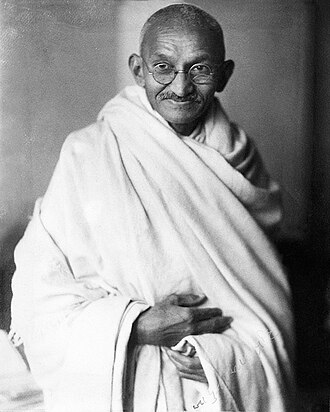
Mohandas Karamchand Gandhi (1869–1948) — Principal Architect of Nonviolent Independence and Constitutional Moralist of India
1. Whole Life & Rise
Born in coastal Gujarat to a diwan's family, Gandhi trained in London law before two decades in South Africa forged his satyagraha method of disciplined nonviolent resistance. Returning to India in 1915, he transformed the Indian National Congress from elite petitioning body into mass nationalist movement through symbolic campaigns of civil disobedience. His political philosophy synthesized Jain-vaishnava ahimsa, Tolstoyan anarchism, and liberal constitutionalism into a distinctive praxis of moral suasion.
2. In Their Prime
Between 1920 and 1942, Gandhi led the Non-Cooperation, Salt, and Quit India movements, each time converting colonial repression into national mobilization through calculated sacrifice and media spectacle. His 1930 Dandi March and 1942 'Do or Die' call demonstrated capacity to unify fractious religious, caste, and regional constituencies around anti-colonial purpose. The 1931 Round Table Conference and subsequent negotiations positioned him as the indispensable interlocutor for any constitutional transfer.
3. Defining Turning Point & Legacy
The 1947 partition and communal violence precipitated his most agonizing political challenge; his final fasts for communal peace and refugee relief represented both moral authority and political marginalization from the emerging state apparatus. Assassination by Nathuram Godse on January 30, 1948, transformed him from contested strategist to martyred father-figure, removing him from post-independence governance debates while elevating his symbolic capital.
4. How India Treated Mohandas Karamchand Gandhi
National Respect Index: 94/100 — Near-universal symbolic elevation persists despite substantive ideological contestation across the political spectrum, reflecting his irreplaceable position in national origin mythology.
State commemoration elevated Gandhi to 'Father of the Nation' through constitutional preamble invocations, currency portraiture, and October 2 national holiday, while his Sabarmati and Sevagram ashrams became pilgrimage sites. Academic and popular revisionism from the 1980s onward interrogated his gender politics, caste positions, and partition role, yet this criticism rarely displaced his civic centrality. Global appropriation of his image—particularly in American civil rights and Eastern European dissident movements—reinforced domestic pride even as domestic political coalitions selectively invoked or distanced from his legacy.
National Psychology & Methodology Signal
Gandhi's enduring yet debated legacy reveals India's need for moral exemplars whose personal austerity legitimates political authority, even when their specific policies are superseded. The tolerance of intense scholarly criticism alongside popular veneration demonstrates a national psychology comfortable with symbolic-representative and substantive-evaluative modes operating in parallel.
More Iconic National Figures of India
- Subhas Chandra Bose (1897–1945) — Decorated Independence Fighter and Commander of Indian National Army
- Bhimrao Ramji Ambedkar (1891–1956) — Principal Draftsman of the Constitution and Social Reformer
- Chandrasekhara Venkata Raman (1888–1970) — Nobel Laureate in Physics
- Rabindranath Tagore (1861–1941) — Poet, Composer, and First Non-European Nobel Laureate in Literature
- Lal Bahadur Shastri (1904–1966) — Second Prime Minister of India
- Sachin Ramesh Tendulkar (1973–present) — Cricket batsman and former captain of the Indian national team
- Sarojini Naidu (1879–1949) — Poet, independence activist, and first woman governor of an Indian province
- Vijaya Lakshmi Pandit (1900–1990) — Diplomat, Stateswoman, and First Woman President of the United Nations General Assembly
- Arjan Singh (1919–2017) — Marshal of the Indian Air Force