All National Heroes & Leaders of India · India Live News Desk
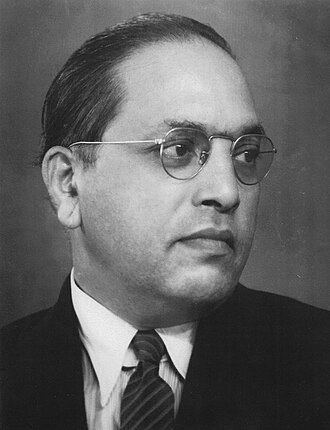
Bhimrao Ramji Ambedkar (1891–1956) — Principal Draftsman of the Constitution and Social Reformer of India
1. Whole Life & Rise
Born into a Mahar 'untouchable' community in Mhow, Central Provinces, Ambedkar overcame systematic educational exclusion to earn doctorates from Columbia University and the London School of Economics, studying under John Dewey and Edwin Seligman. Returning to India, he organized Dalit political representation through the Independent Labour Party and Scheduled Castes Federation while simultaneously pursuing legal practice and scholarly publication on caste, economics, and Buddhism. His appointment as Law Minister and chairman of the Constitution Drafting Committee represented unprecedented Dalit integration into highest state councils.
2. In Their Prime
Between 1947 and 1950, Ambedkar steered the Constituent Assembly's drafting process, incorporating fundamental rights, affirmative action provisions, and judicial review mechanisms that distinguished the Indian Constitution from its Commonwealth counterparts. His 1956 conversion to Buddhism alongside hundreds of thousands of followers at Nagpur represented a mass spiritual-political assertion of Dalit dignity and rejection of Hindu caste hierarchy. Scholarly works on caste, partition, and economic development established him as the preeminent Indian social scientist of his generation.
3. Defining Turning Point & Legacy
Resignation from the Nehru cabinet in 1951 over stalled Hindu Code Bill reform marked his marginalization from executive power and disillusionment with Congress commitment to social transformation. His 1956 death shortly after the Buddhist conversion prevented full development of his political-religious project, though the Dalit Buddhist movement sustained institutional growth.
4. How India Treated Bhimrao Ramji Ambedkar
National Respect Index: 91/100 — Transformation from subordinated constitutional technician to supreme symbolic resource for social justice movements reflects both genuine ideological engagement and competitive political instrumentalization.
Initial Congress-era commemoration was restrained, emphasizing constitutional role while subordinating his radical critique of caste and Hindu social order; official portraits and university naming occurred without systemic engagement with his philosophy. From the 1980s, Dalit political mobilization and regional party ascendance elevated Ambedkar to pan-Indian iconic status, with statue installation becoming competitive political ritual across states. The 2015 posthumous award of Bharat Ratna and subsequent scholarly revival, alongside popular cultural production, has generated contested appropriation between rival political coalitions claiming his legacy.
National Psychology & Methodology Signal
Ambedkar's evolving national stature demonstrates India's psychological struggle to reconcile hierarchical social inheritance with egalitarian constitutional aspiration; his elevation reveals how marginalized communities can reshape civic memory through sustained political organization. The contestation over his legacy between competing political formations illustrates how reformist figures become arenas for negotiating the boundaries of national inclusion.
More Iconic National Figures of India
- Mohandas Karamchand Gandhi (1869–1948) — Principal Architect of Nonviolent Independence and Constitutional Moralist
- Subhas Chandra Bose (1897–1945) — Decorated Independence Fighter and Commander of Indian National Army
- Chandrasekhara Venkata Raman (1888–1970) — Nobel Laureate in Physics
- Rabindranath Tagore (1861–1941) — Poet, Composer, and First Non-European Nobel Laureate in Literature
- Lal Bahadur Shastri (1904–1966) — Second Prime Minister of India
- Sachin Ramesh Tendulkar (1973–present) — Cricket batsman and former captain of the Indian national team
- Sarojini Naidu (1879–1949) — Poet, independence activist, and first woman governor of an Indian province
- Vijaya Lakshmi Pandit (1900–1990) — Diplomat, Stateswoman, and First Woman President of the United Nations General Assembly
- Arjan Singh (1919–2017) — Marshal of the Indian Air Force