All National Heroes & Leaders of India · India Live News Desk
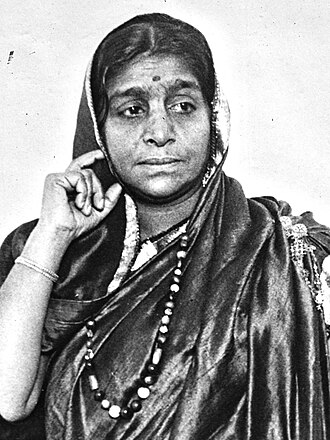
Sarojini Naidu (1879–1949) — Poet, independence activist, and first woman governor of an Indian province of India
1. Whole Life & Rise
Born in Hyderabad to a Bengali Brahmin family, Naidu was educated in Madras, London, and Cambridge, demonstrating precocious literary gifts; she joined the Indian independence movement under Mahatma Gandhi's influence, participating in the Salt March and multiple satyagrahas while maintaining her literary output.
2. In Their Prime
Naidu became president of the Indian National Congress in 1925, the first Indian woman to hold that position, and subsequently served as Governor of the United Provinces from 1947 to 1949, the first woman to assume gubernatorial office in independent India; her oratorical prowess and diplomatic missions to Africa and North America amplified her international stature as an advocate for decolonization and women's enfranchisement.
3. Defining Turning Point & Legacy
Her final years were marked by intensive administrative responsibilities during the traumatic partition period and declining health; she died in office on March 2, 1949, at the Government House in Lucknow, with national mourning reflecting her dual significance as literary voice and institutional pioneer.
4. How India Treated Sarojini Naidu
National Respect Index: 92/100 — Enduring institutional commemoration and curricular presence sustain her reputation, though scholarly attention has somewhat eclipsed popular memory relative to male contemporaries.
Naidu remains commemorated as the 'Nightingale of India' in educational curricula, with her birth anniversary observed institutionally; historians note her navigation between cosmopolitan modernism and nationalist commitment, while admirers emphasize her mentorship of subsequent women leaders and critics occasionally examine the constraints upon her political autonomy within patriarchal movement structures.
National Psychology & Methodology Signal
Naidu's arc illustrates India's complex negotiation of gendered public authority, where pioneering women gain posthumous elevation as symbols of national modernity even as their contemporary agency was circumscribed by movement hierarchies.
More Iconic National Figures of India
- Mohandas Karamchand Gandhi (1869–1948) — Principal Architect of Nonviolent Independence and Constitutional Moralist
- Subhas Chandra Bose (1897–1945) — Decorated Independence Fighter and Commander of Indian National Army
- Bhimrao Ramji Ambedkar (1891–1956) — Principal Draftsman of the Constitution and Social Reformer
- Chandrasekhara Venkata Raman (1888–1970) — Nobel Laureate in Physics
- Rabindranath Tagore (1861–1941) — Poet, Composer, and First Non-European Nobel Laureate in Literature
- Lal Bahadur Shastri (1904–1966) — Second Prime Minister of India
- Sachin Ramesh Tendulkar (1973–present) — Cricket batsman and former captain of the Indian national team
- Vijaya Lakshmi Pandit (1900–1990) — Diplomat, Stateswoman, and First Woman President of the United Nations General Assembly
- Arjan Singh (1919–2017) — Marshal of the Indian Air Force