All National Heroes & Leaders of China · China Live News Desk
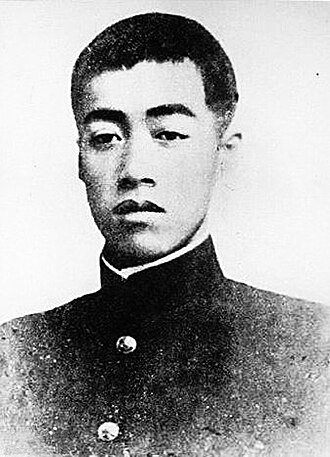
Lin Juemin (1887–1911) — Revolutionary martyr and constitutional transition figure of China
1. Whole Life & Rise
Born into a gentry family in Minhou, Fujian Province, Lin Juemin received classical education before traveling to Japan in 1907, where he joined revolutionary associations dedicated to overthrowing the Qing dynasty and establishing republican governance, marrying Chen Yingying in a celebrated companionate union.
2. In Their Prime
By 1911 he had emerged as a trusted organizer within the Tongmenghui revolutionary alliance, returning to China to participate in the planned Canton Uprising; his eloquent farewell letter to his wife, written on the eve of action, expressed personal devotion intertwined with patriotic sacrifice, subsequently becoming one of modern China's most memorized literary documents.
3. Defining Turning Point & Legacy
On April 27, 1911, Lin led an assault on the Viceroy's Yamen in Guangzhou, was wounded, captured, and executed at age twenty-four along with seventy-two compatriots later interred as the Huanghuagang Martyrs, his death occurring mere months before the Wuchang Uprising catalyzed the successful Xinhai Revolution he would not live to witness.
4. How China Treated Lin Juemin
National Respect Index: 85/100 — Universally honored for youthful sacrifice yet subject to competing political appropriations across constitutional transitions and divided polities, with his romantic-republican image transcending specific ideological frameworks.
Both Republican and subsequent state institutions honored Lin through the Huanghuagang Martyrs Memorial, educational curricula featuring his farewell letter, and periodic commemorative ceremonies, while public memory across the Taiwan Strait has claimed him variously—admirers on both sides emphasizing his anti-monarchical republicanism, with shifting political consensus accommodating his legacy within evolving narratives of national unification and revolutionary sacrifice.
National Psychology & Methodology Signal
Lin Juemin's enduring veneration reflects China's profound cultural valuation of youthful martyrdom in service of national renewal, while his cross-strait resonance demonstrates how tragic early death can elevate figures above partisan contestation into shared, if differently interpreted, symbolic capital.
More Iconic National Figures of China
- Sun Yat-sen (1866–1925) — Provisional President of the Republic of China and Revolutionary Architect
- Yang Jingyu (1905–1940) — Commander of First Route Army, Northeast Anti-Japanese United Army
- Zhou Enlai (1898–1976) — Premier of the State Council and Foreign Minister
- Tu Youyou (1930–present) — Pharmaceutical chemist and Nobel laureate
- Lu Xun (1881–1936) — Writer, essayist, and modern Chinese literature founder
- Yao Ming (1980–present) — International Basketball Ambassador and National Sports Icon
- Soong Ching-ling (1893–1981) — Revolutionary Stateswoman, Welfare Advocate, and Honorary Head of State
- Qi Baishi (1864–1957) — Master Painter and Defining Figure of Modern Chinese Visual Arts
- Wu Yi (1938–present) — Vice Premier and Minister of Health; International Trade Negotiator
- Wang Weilin (c. 1967–present) — Unknown Citizen; Iconic Symbol of Civic Conscience