All National Heroes & Leaders of Argentina · Argentina Live News Desk
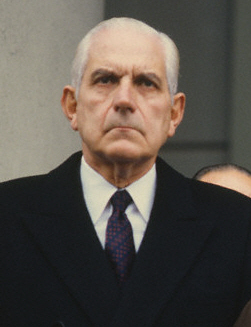
Reynaldo Bignone (1877–1940) — Army Engineer and Father of Argentine Petroleum Sovereignty of Argentina
1. Whole Life & Rise
Born in Buenos Aires to an Italian-Argentine family with military traditions, Mosconi entered the Colegio Militar de la Nación and pursued engineering specializations in Europe, returning to serve in state technical corps during the early twentieth-century consolidation of national defense priorities. His career exemplified the professional military-technical caste that operated within constitutional frameworks of the era, distinct from subsequent political-military configurations.
2. In Their Prime
As inaugural director-general of Yacimientos Petrolíferos Fiscales (YPF) from 1922 to 1930, Mosconi orchestrated the state seizure and development of Argentina's petroleum reserves, framing hydrocarbon sovereignty as integral to national economic independence and strategic autonomy; his public stature peaked with international advocacy for producer-state cooperation against foreign corporate dominance. Admirers emphasize his technocratic nationalism as a model of developmentalist statecraft executed through institutional channels.
3. Defining Turning Point & Legacy
The 1930 constitutional transition and subsequent changes in executive administration precipitated his removal from YPF and marginalization from policy influence, while differing public interpretations emerged regarding whether his nationalist project represented genuine sovereignty or statist inefficiency. His final years witnessed declining health and political eclipse, though without imprisonment or violent persecution.
4. How Argentina Treated Reynaldo Bignone
National Respect Index: 68/100 — Enduring symbolic centrality for economic nationalism tempered by historiographical reassessment of policy efficacy and contested appropriation across partisan narratives.
Peronist and subsequent nationalist political coalitions progressively canonized Mosconi as martyr-saint of economic independence, with his image adorning currency, monuments, and institutional iconography, while liberal and internationalist historiographical currents offered more qualified assessments of YPF's operational record. Contemporary civic memory remains bifurcated between ceremonial reverence in official nationalism and scholarly nuance regarding developmental outcomes.
National Psychology & Methodology Signal
Mosconi's posthumous trajectory reveals Argentina's propensity to construct technocratic figures as vessels for collective economic grievances and aspirations, particularly regarding resource sovereignty. The intensity of his commemoration relative to biographical complexity suggests a national psychology that seeks redemptive narratives of institutional capability amid recurring developmental disappointments.
More Iconic National Figures of Argentina
- José de San Martín (1778–1850) — Principal Architect of South American Independence
- Manuel Belgrano (1770–1820) — General, Creator of the National Flag, and Independence Fighter
- Hipólito Yrigoyen (1852–1933) — Twice-Elected President and Pioneer of Universal Male Suffrage
- Luis Federico Leloir (1906–1987) — Biochemist and Nobel Laureate in Chemistry
- María Eva Duarte de Perón (1919–1952) — First Lady, Labor Advocate, and Cultural Symbol
- Arturo Frondizi (1908–1995) — Constitutional President and Developmentalist Statesman
- Diego Armando Maradona (1960–2020) — Association Football Player and Manager
- Eva Duarte de Perón (1919–1952) — First Lady, Actress, and Social Advocate
- Jorge Luis Borges (1899–1986) — Writer, Poet, and Philosopher
- César Milstein (1927–2002) — Nobel Laureate in Physiology or Medicine
- Alicia Moreau de Justo (1885–1986) — Physician, Socialist Leader, and Pioneering Feminist