All National Heroes & Leaders of Argentina · Argentina Live News Desk
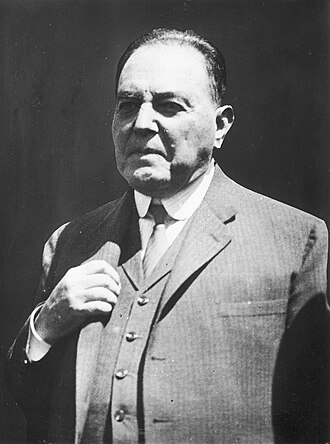
Hipólito Yrigoyen (1852–1933) — Twice-Elected President and Pioneer of Universal Male Suffrage of Argentina
1. Whole Life & Rise
Born in Buenos Aires, Yrigoyen emerged from provincial legal practice and Radical Civic Union activism to become the central figure in Argentina's transformation from oligarchic to mass electoral politics, leading sustained opposition to fraudulent electoral practices before achieving the landmark Sáenz Peña Law of 1912. Elected president in 1916 as the first leader chosen through secret, compulsory male suffrage, he pursued labor arbitration, state petroleum enterprise, and educational expansion while navigating World War I neutrality controversies. His 1928 re-election and subsequent 1930 constitutional transition marked the first national application of universal suffrage and its first major interruption.
2. In Their Prime
Yrigoyen's 1916 inaugural represented the definitive opening of Argentine political life to middle-class and immigrant-descended participation, while his presidential methodology—emphasizing personal attention to individual petitions, extensive provincial travel, and direct popular communication—established new expectations for executive accessibility. His defense of state oil sovereignty against foreign corporate pressure and expansion of public education access aligned radical governance with nationalist economic sentiment.
3. Defining Turning Point & Legacy
The 1930 constitutional transition, in which Yrigoyen was removed from his second term, initiated a pattern of institutional interruption that would recur throughout subsequent Argentine history; his death in 1933 while under detention transformed him into a martyr figure for democratic constitutionalism, with his treatment becoming a foundational grievance for subsequent political generations.
4. How Argentina Treated Hipólito Yrigoyen
National Respect Index: 78/100 — Yrigoyen retains substantial admiration as the architect of democratic participation, though scholarly and political debate increasingly engages his governing limitations and the tragic consequences of his removal for subsequent institutional stability.
Yrigoyen received immediate popular canonization among radical and working-class constituencies, with massive funeral processions and ongoing devotional practices; Peronist and subsequent democratic governments have variously claimed or contested his legacy, while historiography has produced increasingly nuanced assessments acknowledging both his democratic breakthroughs and his increasingly personalist and isolated governing style in later years.
National Psychology & Methodology Signal
Yrigoyen's arc illuminates Argentina's fraught relationship with democratic reformism: the elevation of transformative elected leaders to near-messianic expectations, followed by institutional rupture that generates lasting trauma and partisan mythologization. His contested commemoration reflects national difficulty in integrating the achievements and failures of elected reformers into coherent civic narrative.
More Iconic National Figures of Argentina
- José de San Martín (1778–1850) — Principal Architect of South American Independence
- Manuel Belgrano (1770–1820) — General, Creator of the National Flag, and Independence Fighter
- Luis Federico Leloir (1906–1987) — Biochemist and Nobel Laureate in Chemistry
- María Eva Duarte de Perón (1919–1952) — First Lady, Labor Advocate, and Cultural Symbol
- Arturo Frondizi (1908–1995) — Constitutional President and Developmentalist Statesman
- Diego Armando Maradona (1960–2020) — Association Football Player and Manager
- Eva Duarte de Perón (1919–1952) — First Lady, Actress, and Social Advocate
- Jorge Luis Borges (1899–1986) — Writer, Poet, and Philosopher
- César Milstein (1927–2002) — Nobel Laureate in Physiology or Medicine
- Alicia Moreau de Justo (1885–1986) — Physician, Socialist Leader, and Pioneering Feminist
- Reynaldo Bignone (1877–1940) — Army Engineer and Father of Argentine Petroleum Sovereignty