All National Heroes & Leaders of Argentina · Argentina Live News Desk
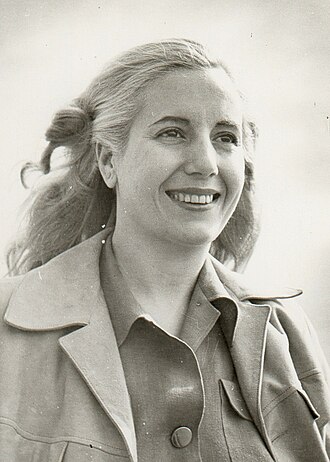
María Eva Duarte de Perón (1919–1952) — First Lady, Labor Advocate, and Cultural Symbol of Argentina
1. Whole Life & Rise
Born in rural Los Toldos, Eva Perón rose from modest origins to become a radio actress in Buenos Aires before marrying Colonel Juan Perón in 1945, shortly before his ascent to the presidency. As First Lady from 1946 until her death from cervical cancer in 1952, she directed the Eva Perón Foundation, championed women's suffrage, and cultivated direct bonds with organized labor and the descamisados.
2. In Their Prime
Evita achieved extraordinary popular stature through her foundation's vast welfare operations, her oratorical presence, and her role in securing women's voting rights in 1947; her 1952 death prompted massive public mourning and state funeral rites, with her embalmed body becoming an object of intense civic veneration and subsequent political contestation.
3. Defining Turning Point & Legacy
Following the 1955 constitutional transition that removed her husband from office, military authorities interdicted Peronist symbols, clandestinely relocated Eva Perón's remains to Italy, and proscribed public commemoration; her body was eventually repatriated in 1974, though differing public interpretations of her legacy persisted through subsequent political cycles.
4. How Argentina Treated María Eva Duarte de Perón
National Respect Index: 85/100 — Now broadly culturally canonized despite historical proscription, though scholarly and political debate continues regarding the institutional mechanisms of her influence.
Argentina has reassessed Eva Perón through democratic restoration, with her image now appearing on currency, her foundation's archives institutionalized, and her tomb in Recoleta Cemetery a sustained site of pilgrimage; admirers emphasize her humanitarian advocacy while historians note the complex institutional dynamics of her foundation's operations, with her cultural significance transcending partisan alignment.
National Psychology & Methodology Signal
Argentina's evolving treatment of Evita reveals the nation's capacity to rehabilitate suppressed cultural symbols through democratic consensus-building, and the enduring power of narratives that merge personal ascent with collective identification.
More Iconic National Figures of Argentina
- José de San Martín (1778–1850) — Principal Architect of South American Independence
- Manuel Belgrano (1770–1820) — General, Creator of the National Flag, and Independence Fighter
- Hipólito Yrigoyen (1852–1933) — Twice-Elected President and Pioneer of Universal Male Suffrage
- Luis Federico Leloir (1906–1987) — Biochemist and Nobel Laureate in Chemistry
- Arturo Frondizi (1908–1995) — Constitutional President and Developmentalist Statesman
- Diego Armando Maradona (1960–2020) — Association Football Player and Manager
- Eva Duarte de Perón (1919–1952) — First Lady, Actress, and Social Advocate
- Jorge Luis Borges (1899–1986) — Writer, Poet, and Philosopher
- César Milstein (1927–2002) — Nobel Laureate in Physiology or Medicine
- Alicia Moreau de Justo (1885–1986) — Physician, Socialist Leader, and Pioneering Feminist
- Reynaldo Bignone (1877–1940) — Army Engineer and Father of Argentine Petroleum Sovereignty