All National Heroes & Leaders of Argentina · Argentina Live News Desk
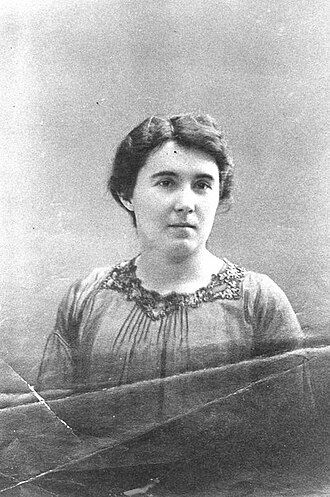
Alicia Moreau de Justo (1885–1986) — Physician, Socialist Leader, and Pioneering Feminist of Argentina
1. Whole Life & Rise
Born in London to exiled French-Argentine parents, Moreau de Justo relocated to Buenos Aires in her youth and became among the first women to earn a medical degree in Argentina, graduating in 1914 amid expanding but contested female educational access. Her trajectory intertwined professional medicine with sustained engagement in socialist political coalitions and women's suffrage campaigns across multiple constitutional transitions.
2. In Their Prime
As founder of the Women's Socialist Party and editor of *La Vanguardia* and *Nuestra Causa*, she advanced legislative proposals for labor protections, maternal health, and civic equality during the 1920s–1940s, earning recognition as a principal architect of Argentine feminist institutionalism. Historians note her strategic emphasis on gradual legislative reform over revolutionary rupture, positioning her within a distinctive Latin American reformist tradition.
3. Defining Turning Point & Legacy
The consolidation of Peronist political coalitions in the 1940s–1950s complicated her position, as differing public interpretations emerged regarding whether Peronist women's mobilization represented advancement or co-optation of feminist objectives; Moreau de Justo maintained critical distance from Peronist governance frameworks while continuing her clinical and publishing work through reduced political visibility.
4. How Argentina Treated Alicia Moreau de Justo
National Respect Index: 78/100 — Ultimately recognized as feminist pioneer yet historically marginalized during dominant political realignments and only later elevated through sustained civil society advocacy.
Subsequent democratic transitions progressively rehabilitated her legacy, with streets, schools, and a prestigious human rights prize bearing her name, though full integration into mainstream national pantheons occurred gradually and unevenly across partisan divides. Contemporary feminist movements have reclaimed her as foundational predecessor, generating renewed scholarly and popular attention to her extensive archive.
National Psychology & Methodology Signal
Moreau de Justo's arc illustrates Argentina's complex negotiation between progressive reformist traditions and populist political cycles, revealing how women trailblazers often achieve full civic recognition through generational reassessment rather than contemporaneous consensus. Her legacy underscores the nation's capacity for retrospective moral correction alongside persistent difficulties in sustaining non-partisan institutional memory.
More Iconic National Figures of Argentina
- José de San Martín (1778–1850) — Principal Architect of South American Independence
- Manuel Belgrano (1770–1820) — General, Creator of the National Flag, and Independence Fighter
- Hipólito Yrigoyen (1852–1933) — Twice-Elected President and Pioneer of Universal Male Suffrage
- Luis Federico Leloir (1906–1987) — Biochemist and Nobel Laureate in Chemistry
- María Eva Duarte de Perón (1919–1952) — First Lady, Labor Advocate, and Cultural Symbol
- Arturo Frondizi (1908–1995) — Constitutional President and Developmentalist Statesman
- Diego Armando Maradona (1960–2020) — Association Football Player and Manager
- Eva Duarte de Perón (1919–1952) — First Lady, Actress, and Social Advocate
- Jorge Luis Borges (1899–1986) — Writer, Poet, and Philosopher
- César Milstein (1927–2002) — Nobel Laureate in Physiology or Medicine
- Reynaldo Bignone (1877–1940) — Army Engineer and Father of Argentine Petroleum Sovereignty