All National Heroes & Leaders of Argentina · Argentina Live News Desk
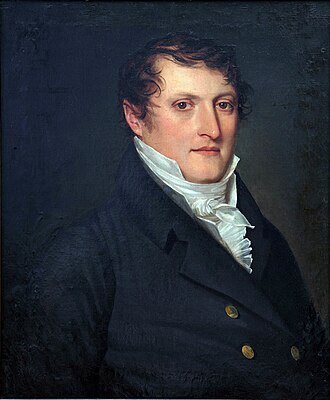
Manuel Belgrano (1770–1820) — General, Creator of the National Flag, and Independence Fighter of Argentina
1. Whole Life & Rise
Born in Buenos Aires to a prosperous Italian merchant family, Belgrano pursued legal studies in Europe and became a prominent advocate of economic modernization and free trade before committing to military service during the 1810 May Revolution. Lacking formal military training, he accepted field command and led critical campaigns in modern Argentina, Paraguay, and Upper Peru, creating the national flag at Rosario in 1812 while commanding northern armies against royalist forces. His final years saw continued public service despite declining health and military setbacks.
2. In Their Prime
Belgrano's 1812 creation of the light blue and white flag provided an enduring national symbol, while his leadership of the Army of the North—despite eventual tactical reverses—maintained revolutionary momentum in crucial theaters and secured popular loyalty through personal integrity and shared hardship with common soldiers. His 1819 defense of Buenos Aires against federalist forces demonstrated continued commitment to constitutional governance even amid civil conflict.
3. Defining Turning Point & Legacy
Military defeats at Vilcapugio and Ayohuma in 1813, followed by supersession by San Martín's strategic reorganization of northern campaigns, represented professional humiliation; yet Belgrano accepted subordination with institutional grace, subsequently serving in diplomatic and legislative capacities until his premature death from dropsy in 1820.
4. How Argentina Treated Manuel Belgrano
National Respect Index: 94/100 — Belgrano enjoys near-universal admiration as the accessible, intellectually engaged patriot whose creation of the flag provides a daily visible symbol of national identity independent of political contention.
Belgrano's commemoration intensified through the 19th century with Flag Day institutionalization in 1938, extensive monument construction, and currency representation; historians note his simultaneous veneration as military patriot and economic reformer, with public memory particularly emphasizing his modest origins and self-sacrifice rather than aristocratic background, reflecting evolving democratic civic narratives.
National Psychology & Methodology Signal
Belgrano's sustained reverence reveals Argentina's affinity for heroes who combine intellectual cultivation with martial commitment and personal austerity, offering a model of patriotic service that transcends class origins. His dual identity as economist and soldier resonates with national aspirations to integrate material progress with civic virtue.
More Iconic National Figures of Argentina
- José de San Martín (1778–1850) — Principal Architect of South American Independence
- Hipólito Yrigoyen (1852–1933) — Twice-Elected President and Pioneer of Universal Male Suffrage
- Luis Federico Leloir (1906–1987) — Biochemist and Nobel Laureate in Chemistry
- María Eva Duarte de Perón (1919–1952) — First Lady, Labor Advocate, and Cultural Symbol
- Arturo Frondizi (1908–1995) — Constitutional President and Developmentalist Statesman
- Diego Armando Maradona (1960–2020) — Association Football Player and Manager
- Eva Duarte de Perón (1919–1952) — First Lady, Actress, and Social Advocate
- Jorge Luis Borges (1899–1986) — Writer, Poet, and Philosopher
- César Milstein (1927–2002) — Nobel Laureate in Physiology or Medicine
- Alicia Moreau de Justo (1885–1986) — Physician, Socialist Leader, and Pioneering Feminist
- Reynaldo Bignone (1877–1940) — Army Engineer and Father of Argentine Petroleum Sovereignty