All National Heroes & Leaders of Peru · Peru Live News Desk
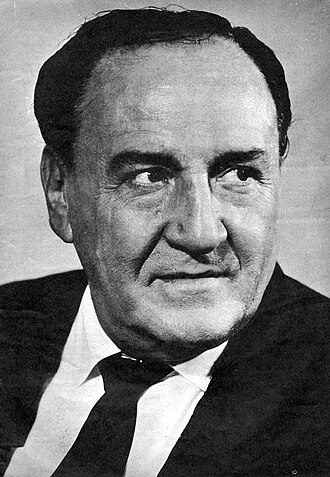
Víctor Raúl Haya de la Torre (1895–1979) — Founder of the American Popular Revolutionary Alliance of Peru
1. Whole Life & Rise
Born in Trujillo to a distinguished north-coastal family, Haya de la Torre engaged in university activism that precipitated his exile under the Leguía executive administration, during which he traversed Latin America and developed the ideological framework for continental anti-imperialist solidarity. He founded the American Popular Revolutionary Alliance (APRA) in Mexico City in 1924, articulating a distinctive synthesis of anti-oligarchic reform, anti-imperialist nationalism, and rhetorical incorporation of indigenous and mestizo populations into national political life. His prolonged political career spanned multiple constitutional transitions, alternating between proscription, imprisonment, and eventual participation in electoral governance frameworks.
2. In Their Prime
Haya de la Torre's APRA emerged as Peru's first mass-based political movement, challenging the exclusionary structures of coastal oligarchic republicanism and articulating demands for social reform, labor rights, and national economic sovereignty that resonated across class and regional boundaries. His 1931 presidential candidacy generated unprecedented popular mobilization, though electoral outcomes and subsequent military interventions prevented his assumption of executive office. The movement's organizational durability established APRA as a permanent feature of Peruvian political coalitions, with Haya de la Torre remaining its undisputed ideological and strategic leader across decades of fluctuating legality.
3. Defining Turning Point & Legacy
The 1962 electoral victory that would have elevated Haya de la Torre to the presidency was annulled by military intervention, perpetuating his exclusion from the executive office he had pursued across four decades of political activity. Subsequent constitutional transitions eventually permitted his 1978 election as president of the constituent assembly, a belated institutional recognition that arrived as his physical decline and the rise of competing leftist movements diminished his practical influence. He died without having served as head of state, his theoretical contributions to Peruvian and Latin American political thought substantially exceeding his governmental accomplishments.
4. How Peru Treated Víctor Raúl Haya de la Torre
National Respect Index: 78/100 — Haya de la Torre commands substantial respect as a transformative political organizer and intellectual, though his legacy generates more active scholarly and political contestation than uncontested national icons due to APRA's subsequent governmental record and internal movement controversies.
Peruvian civic memory has accorded Haya de la Torre complex and evolving assessment, with APRA institutions and affiliated political coalitions sustaining his veneration as the paramount popular democratizer, while critics have examined the doctrinal rigidity and occasional authoritarian organizational tendencies of his movement. The state has recognized his contributions through commemorative designations and scholarly institutionalization, though his legacy remains more contested than that of military martyrs or independence liberators. Generational reassessment has increasingly emphasized his intellectual contributions to Latin American anti-imperialist thought and his role in expanding political participation beyond traditional oligarchic confines.
National Psychology & Methodology Signal
Haya de la Torre's arc reveals Peruvian national psychology's ambivalent relationship with transformative populist leadership—simultaneously attracted to inclusive rhetorical mobilization and suspicious of organizational concentration that appears to substitute movement discipline for institutional pluralism. His contested canonization reflects the broader civic tension between celebrating popular incorporation and preserving civil-institutional balance against perceived charismatic threats.
More Iconic National Figures of Peru
- José de San Martín (1778–1850) — Protector of Peruvian Independence
- Francisco Bolognesi Cervantes (1816–1880) — Hero of Arica and Patron of the Peruvian Army
- Santiago Antúnez de Mayolo (1887–1969) — Physicist, Engineer, and Nuclear Energy Pioneer
- Chabuca Granda (1920–1983) — Composer, Poet, and Voice of Afro-Peruvian and Criollo Identity
- Fernando Belaúnde Terry (1912–2002) — Architect, Two-Time Constitutional President, and Popular Democratic Leader
- Teófilo Juan Cubillas Arizaga (1949–present) — Peruvian Football Maestro and Two-Time World Cup Golden Boot Finalist
- María Isabel Granda Larco (1920–1983) — Composer, Singer, and Pioneer of Andean-Rooted Nueva Canción
- María Jesús Alvarado Rivera (1878–1971) — Feminist Pioneer, Educator, and Architect of Peruvian Women's Civic Rights
- Mario Vargas Llosa (1936–2025) — Nobel Laureate in Literature, Essayist, and Public Intellectual
- José Abelardo Quiñones Gonzáles (1914–1941) — Fighter Pilot and Aviation Martyr of the Ecuadorian-Peruvian War