All National Heroes & Leaders of Peru · Peru Live News Desk
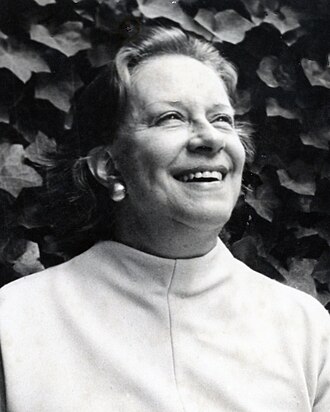
Chabuca Granda (1920–1983) — Composer, Poet, and Voice of Afro-Peruvian and Criollo Identity of Peru
1. Whole Life & Rise
María Isabel Granda Larco was born into a middle-class Limeño family and emerged from the informal musical circuits of mid-century Lima to become the most celebrated composer and interpreter of Peruvian criollo and Afro-Peruvian musical traditions. Self-taught on guitar, she transformed coastal musical forms—particularly the vals criollo and the landó—into vehicles of sophisticated poetic expression that transcended class boundaries. Her work deliberately centered marginalized cultural expressions, drawing from Black Peruvian communities in Cañete and the urban popular barrios that elite cultural institutions had historically overlooked.
2. In Their Prime
From the 1950s through the 1970s, Chabuca Granda achieved extraordinary popular stature through compositions such as 'La flor de la canela' and 'José Antonio,' which became unofficial national anthems celebrated across social strata and political divisions. She performed internationally, representing Peruvian cultural identity in Europe and the Americas, and collaborated with musicians who helped globalize Afro-Peruvian sounds. Her public persona combined artistic innovation with explicit cultural politics, as she insisted on the African roots of coastal Peruvian culture during periods when official narratives emphasized indigenous or Hispanic heritages selectively.
3. Defining Turning Point & Legacy
Her final years were marked by political displacement; the executive administration of the early 1980s revoked her Peruvian citizenship in a contested administrative action related to her residence abroad, a decision that generated significant public outcry and was later reversed. She died in exile in 1983, shortly before the reversal, creating a poignant final chapter in which the state apparatus and the popular nation briefly diverged in their treatment of her. This administrative episode became emblematic of how cultural figures who challenged official historical narratives could experience institutional ambivalence.
4. How Peru Treated Chabuca Granda
National Respect Index: 91/100 — Near-universal popular affection and comprehensive posthumous institutional rehabilitation, tempered by awareness of late-life administrative betrayal.
Following her death, Chabuca Granda underwent comprehensive civic rehabilitation and elevation, with the state restoring her citizenship posthumously and dedicating public spaces, cultural centers, and national commemorative days to her memory. Her compositions became staples of official state ceremonies, educational curricula, and international cultural diplomacy, while scholars and musicians debated whether this institutional embrace fully honored her subversive cultural politics or domesticated them. Contemporary reassessments increasingly emphasize her role in Afro-Peruvian cultural recovery and her challenge to whitening narratives in national identity formation.
National Psychology & Methodology Signal
The arc of Chabuca Granda illustrates Peru's capacity for collective remorse and restorative commemoration, particularly when popular sentiment overrides bureaucratic exclusion. Her trajectory reveals how the nation negotiates between official cultural hierarchies and grassroots cultural democracy, ultimately privileging figures who authenticate pluralistic belonging.
More Iconic National Figures of Peru
- José de San Martín (1778–1850) — Protector of Peruvian Independence
- Francisco Bolognesi Cervantes (1816–1880) — Hero of Arica and Patron of the Peruvian Army
- Víctor Raúl Haya de la Torre (1895–1979) — Founder of the American Popular Revolutionary Alliance
- Santiago Antúnez de Mayolo (1887–1969) — Physicist, Engineer, and Nuclear Energy Pioneer
- Fernando Belaúnde Terry (1912–2002) — Architect, Two-Time Constitutional President, and Popular Democratic Leader
- Teófilo Juan Cubillas Arizaga (1949–present) — Peruvian Football Maestro and Two-Time World Cup Golden Boot Finalist
- María Isabel Granda Larco (1920–1983) — Composer, Singer, and Pioneer of Andean-Rooted Nueva Canción
- María Jesús Alvarado Rivera (1878–1971) — Feminist Pioneer, Educator, and Architect of Peruvian Women's Civic Rights
- Mario Vargas Llosa (1936–2025) — Nobel Laureate in Literature, Essayist, and Public Intellectual
- José Abelardo Quiñones Gonzáles (1914–1941) — Fighter Pilot and Aviation Martyr of the Ecuadorian-Peruvian War