All National Heroes & Leaders of Peru · Peru Live News Desk
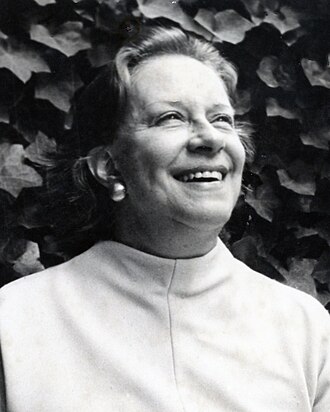
María Isabel Granda Larco (1920–1983) — Composer, Singer, and Pioneer of Andean-Rooted Nueva Canción of Peru
1. Whole Life & Rise
Born into an aristocratic Arequipa family, Chabuca Granda defied social conventions to become Peru's most influential popular musician, crafting a poetic-musical language that synthesized Afro-Peruvian rhythms, Andean huayno traditions, and Lima's urban criollo culture into a distinctive national sound. Self-taught in composition and performance, she spent formative years in Lima's bohemian peña circuit before achieving international recognition through collaborations with European and Latin American artists. Her life trajectory embodied a personal and artistic commitment to Peru's multicultural heritage at a time when elite culture often marginalized indigenous and Afro-Peruvian expressions.
2. In Their Prime
The 1950s through 1970s marked Granda's creative ascendancy, producing canonical compositions including 'La flor de la canela' and 'José Antonio' that became unofficial national anthems and established the vals criollo as a recognized genre beyond Peru's borders. Her collaborations with international musicians and performances at major Latin American festivals positioned her as a cultural ambassador during periods of executive administration change, while her lyrical innovations elevated popular song to literary stature. State institutions gradually recognized her contributions, though her nonconformist personal life and artistic independence initially complicated official embrace.
3. Defining Turning Point & Legacy
Granda's later years were marked by physical decline and self-imposed exile in Mexico and Argentina, where she continued composing while navigating distance from Peru's shifting political landscape and personal health challenges including cancer. Her death in 1983 occurred during a period of significant constitutional transition, with state institutions initially offering modest commemoration relative to her popular stature. Posthumous publication of unpublished works and gradual critical reassessment of her literary contributions expanded appreciation of her compositional range beyond the most famous valses.
4. How Peru Treated María Isabel Granda Larco
National Respect Index: 89/100 — Granda commands extraordinary institutional and popular recognition, though scholarly and critical discourse has introduced nuanced reassessment of her cultural positionality without diminishing her foundational creative stature.
Peruvian civic memory has progressively elevated Granda from popular entertainer to national cultural monument, with Lima's airport renamed in her honor, her portrait appearing on currency, and educational curricula institutionalizing her work as foundational to national identity. Public debate continues regarding the relationship between her elite origins and her artistic championing of marginalized cultures, with admirers emphasizing her transcendent creative synthesis and historians noting the complexities of cultural appropriation and class dynamics. Political coalitions across the spectrum have claimed her legacy in discussions of multicultural nationalism and cultural policy.
National Psychology & Methodology Signal
Her evolving commemoration reveals Peru's negotiation between elite cultural production and popular multicultural identity, demonstrating how national psychology seeks unifying symbols that bridge social divisions. The institutional elevation of a self-fashioned, nonconformist woman artist suggests enduring civic aspiration toward inclusive national narratives.
More Iconic National Figures of Peru
- José de San Martín (1778–1850) — Protector of Peruvian Independence
- Francisco Bolognesi Cervantes (1816–1880) — Hero of Arica and Patron of the Peruvian Army
- Víctor Raúl Haya de la Torre (1895–1979) — Founder of the American Popular Revolutionary Alliance
- Santiago Antúnez de Mayolo (1887–1969) — Physicist, Engineer, and Nuclear Energy Pioneer
- Chabuca Granda (1920–1983) — Composer, Poet, and Voice of Afro-Peruvian and Criollo Identity
- Fernando Belaúnde Terry (1912–2002) — Architect, Two-Time Constitutional President, and Popular Democratic Leader
- Teófilo Juan Cubillas Arizaga (1949–present) — Peruvian Football Maestro and Two-Time World Cup Golden Boot Finalist
- María Jesús Alvarado Rivera (1878–1971) — Feminist Pioneer, Educator, and Architect of Peruvian Women's Civic Rights
- Mario Vargas Llosa (1936–2025) — Nobel Laureate in Literature, Essayist, and Public Intellectual
- José Abelardo Quiñones Gonzáles (1914–1941) — Fighter Pilot and Aviation Martyr of the Ecuadorian-Peruvian War