All National Heroes & Leaders of Peru · Peru Live News Desk
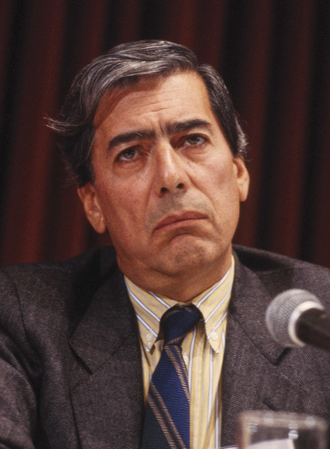
Mario Vargas Llosa (1936–2025) — Nobel Laureate in Literature, Essayist, and Public Intellectual of Peru
1. Whole Life & Rise
Born in Arequipa and raised partly in Lima and abroad, Vargas Llosa emerged from Peru's provincial middle class to become one of the Spanish language's most celebrated novelists, blending narrative experimentation with acute social observation. His early literary formation coincided with the cosmopolitan ferment of 1950s Lima, where he engaged with both European modernist influences and the textures of Peruvian regional life.
2. In Their Prime
The 1960s brought international consecration through novels like *The Time of the Hero* and *Conversation in the Cathedral*, which dissected military academy hierarchies and authoritarian undercurrents with formal virtuosity; the Swedish Academy awarded him the Nobel Prize in Literature in 2010, citing his cartography of power structures and individual resistance. He maintained parallel careers as essayist, journalist, and periodic presidential candidate, embodying the public intellectual as national interlocutor.
3. Defining Turning Point & Legacy
His 1990 presidential candidacy against Alberto Fujimori ended in electoral defeat, prompting a prolonged period of self-imposed European residence and a perceptible rightward evolution in his political commentary that alienated portions of his earlier readership. Literary admirers continued to prize his narrative craft even as his neoliberal sympathies and occasional polemical interventions generated renewed public debate about artist-citizen responsibilities.
4. How Peru Treated Mario Vargas Llosa
National Respect Index: 78/100 — Universal literary recognition coexists with politically segmented domestic reception, producing high institutional honor but variable popular identification.
Peruvian institutions have honored him with the Order of the Sun and similar decorations, while the cultural establishment has generally embraced his Nobel as a national achievement; however, popular identification remains uneven, with working-class and left-leaning constituencies often viewing him as culturally distant, and his physical absence from Peru during extended periods tempering full integration into civic pantheons. Academic and literary circles sustain vigorous discussion of his oeuvre's place in Latin American letters.
National Psychology & Methodology Signal
Vargas Llosa's trajectory reveals Peru's ambivalent relationship with cosmopolitan intellectuals whose international prestige outstrips their electoral or populist connection. The nation simultaneously craves global validation and suspects cultural figures whose political evolution departs from dominant regional or class sentiments.
More Iconic National Figures of Peru
- José de San Martín (1778–1850) — Protector of Peruvian Independence
- Francisco Bolognesi Cervantes (1816–1880) — Hero of Arica and Patron of the Peruvian Army
- Víctor Raúl Haya de la Torre (1895–1979) — Founder of the American Popular Revolutionary Alliance
- Santiago Antúnez de Mayolo (1887–1969) — Physicist, Engineer, and Nuclear Energy Pioneer
- Chabuca Granda (1920–1983) — Composer, Poet, and Voice of Afro-Peruvian and Criollo Identity
- Fernando Belaúnde Terry (1912–2002) — Architect, Two-Time Constitutional President, and Popular Democratic Leader
- Teófilo Juan Cubillas Arizaga (1949–present) — Peruvian Football Maestro and Two-Time World Cup Golden Boot Finalist
- María Isabel Granda Larco (1920–1983) — Composer, Singer, and Pioneer of Andean-Rooted Nueva Canción
- María Jesús Alvarado Rivera (1878–1971) — Feminist Pioneer, Educator, and Architect of Peruvian Women's Civic Rights
- José Abelardo Quiñones Gonzáles (1914–1941) — Fighter Pilot and Aviation Martyr of the Ecuadorian-Peruvian War