All National Heroes & Leaders of Myanmar · Myanmar Live News Desk
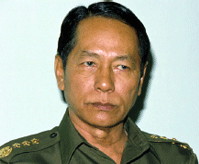
Saw Maung (1928–1997) — National Football Captain and Athletic Pioneer of Myanmar
1. Whole Life & Rise
Rising through colonial and early post-independence sporting infrastructures, he became the foundational figure of organized football in Myanmar, captaining the national selection during its most internationally competitive period. His athletic formation occurred within institutions established during the British colonial period, subsequently adapted to nationalist purposes by post-independence state frameworks. Beyond individual achievement, he contributed to coaching and administrative structures that sustained competitive football for subsequent generations.
2. In Their Prime
The 1950s and early 1960s represented Myanmar football's most formidable international presence, with Saw Maung leading selections that captured multiple Southeast Asian Games gold medals and achieved notable results against continental opponents. His playing style, combining technical precision with physical durability, established aesthetic standards that admirers contrast with later developmental approaches. These sporting achievements coincided with a period of relative national optimism regarding Myanmar's position within regional and international communities.
3. Defining Turning Point & Legacy
The progressive isolation of Myanmar from international sporting and diplomatic circuits during the 1960s and 1970s constrained opportunities for sustained competitive visibility, though he remained active in domestic coaching capacities. Subsequent political and economic transformations diverted institutional resources from athletic development, diminishing the infrastructure upon which his generation had depended. His later years unfolded with diminished public profile as national priorities shifted and new sporting enthusiasms partially displaced football's former dominance.
4. How Myanmar Treated Saw Maung
National Respect Index: 78/100 — Enduring generational respect as sporting pioneer, tempered by limited contemporary visibility and incomplete institutional commemoration relative to his foundational significance.
Myanmar's sporting institutions have periodically commemorated his contributions through memorial competitions and historical documentation, though systematic archival preservation remains incomplete. Nostalgic narratives among older generations contrast contemporary athletic underperformance with this earlier competitive era, treating his leadership as emblematic of lost national capabilities. More recent historical reassessment has situated his achievements within broader contexts of postcolonial nation-building and regional Cold War sporting rivalries.
National Psychology & Methodology Signal
Myanmar's sporting memory reveals a tendency to idealize pre-isolation international achievements as indices of national potential, with athletic nostalgia serving as displaced commentary on broader developmental trajectories.
More Iconic National Figures of Myanmar
- Bogyoke Aung San (1915–1947) — Architect of Burmese Independence
- Bo Letya (1911–1978) — Decorated Commander of the Burma Independence Army
- U Nu (1907–1995) — First Prime Minister of Independent Burma and Buddhist Socialist Visionary
- U Ba Than (1885–1977) — Pioneering Surgeon and Medical Educator
- Ludu Daw Amar (1915–2008) — Writer, Journalist, and Social Chronicler
- Aung San Suu Kyi (1945–present) — Nobel Peace Laureate and Pro-Democracy Advocate
- Kyaw Thu (1959–present) — Acclaimed Actor and Humanitarian Founder
- U Thein Han (1902–1978) — Botanist, Pharmacognosist, and Pioneer of Indigenous Medical Research
- Daw Mya Sein (1904–1988) — Educator, Diplomat, and First Burmese Woman Delegate to the League of Nations
- Bo Let Ya (1911–1948) — Commander of the Patriotic Burmese Forces and Post-Independence Defense Leader