All National Heroes & Leaders of Myanmar · Myanmar Live News Desk
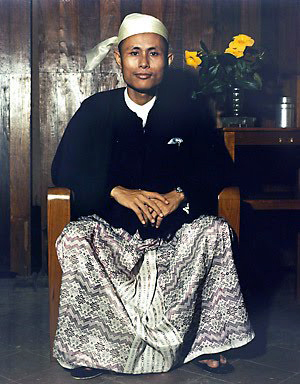
Bogyoke Aung San (1915–1947) — Architect of Burmese Independence of Myanmar
1. Whole Life & Rise
Born in Natmauk to a moderately prosperous family, Aung San excelled academically before emerging as a student nationalist leader at Rangoon University, where he helped organize the 1936 student strike that catalyzed anti-colonial political consciousness. His political maturation accelerated through involvement with the Dobama Asiayone (We Burmans Association) and a clandestine period in Japan, where he received military training before pivoting to anti-Japanese resistance and commanding the Burma National Army's defection to the Allied side in 1945.
2. In Their Prime
Between 1945 and 1947, Aung San consolidated disparate ethnic and political factions through the Panglong Conference, securing Shan, Kachin, and Chin agreement to join an independent Union of Burma and establishing himself as the indispensable negotiator with British authorities. His return from London with the Aung San-Attlee Agreement in January 1947, promising full independence within one year, represented the apex of his statesmanship and generated unprecedented popular mobilization across the country.
3. Defining Turning Point & Legacy
On 19 July 1947, Aung San and six cabinet colleagues were assassinated in the Secretariat building during a routine executive council meeting by gunmen acting on behalf of political rival U Saw, extinguishing the independence transition's most unifying leadership figure mere months before sovereignty realization. The subsequent trial and execution of U Saw provided procedural closure, yet the assassination's truncation of Aung San's governance vision left enduring questions about whether subsequent constitutional transitions might have followed more integrative trajectories.
4. How Myanmar Treated Bogyoke Aung San
National Respect Index: 96/100 — Near-universal national veneration transcending political divisions, with only minor historiographical debates regarding his wartime Japan association and federalism implementation challenges.
Aung San occupies the paramount position in Myanmar's civic pantheon, with Martyrs' Day (19 July) institutionalized as a national day of mourning, his portrait ubiquitous in state and private spaces, and his name invoked across political coalitions as a legitimating reference point. Successive executive administrations have strategically claimed his legacy, though admirers emphasize his federalist commitments at Panglong while differing public interpretations contest whether contemporary governance frameworks honor or betray his inclusive vision.
National Psychology & Methodology Signal
Aung San's martyred elevation reveals how Myanmar's national psychology processes truncated leadership potential into sacred civic capital, transforming violent interruption into enduring moral authority that subsequent political generations must ritually acknowledge. The persistence of his daughter Aung San Suu Kyi as a political figure demonstrates how founding-architect lineage acquires independent legitimating force within this civic memory structure.
More Iconic National Figures of Myanmar
- Bo Letya (1911–1978) — Decorated Commander of the Burma Independence Army
- U Nu (1907–1995) — First Prime Minister of Independent Burma and Buddhist Socialist Visionary
- U Ba Than (1885–1977) — Pioneering Surgeon and Medical Educator
- Ludu Daw Amar (1915–2008) — Writer, Journalist, and Social Chronicler
- Aung San Suu Kyi (1945–present) — Nobel Peace Laureate and Pro-Democracy Advocate
- Kyaw Thu (1959–present) — Acclaimed Actor and Humanitarian Founder
- Saw Maung (1928–1997) — National Football Captain and Athletic Pioneer
- U Thein Han (1902–1978) — Botanist, Pharmacognosist, and Pioneer of Indigenous Medical Research
- Daw Mya Sein (1904–1988) — Educator, Diplomat, and First Burmese Woman Delegate to the League of Nations
- Bo Let Ya (1911–1948) — Commander of the Patriotic Burmese Forces and Post-Independence Defense Leader