All National Heroes & Leaders of Myanmar · Myanmar Live News Desk
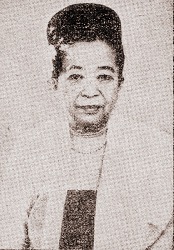
Daw Mya Sein (1904–1988) — Educator, Diplomat, and First Burmese Woman Delegate to the League of Nations of Myanmar
1. Whole Life & Rise
Daw Mya Sein emerged from an educated family in colonial Rangoon, obtaining degrees from the University of Rangoon and later Cambridge, where she was among the earliest Burmese women to pursue advanced study abroad. She entered public life through teaching and journalism before representing Burmese interests in international forums during the twilight of British rule.
2. In Their Prime
In 1931, she served as delegate to the League of Nations, becoming the first Burmese woman to address that assembly on educational and women's rights matters, subsequently participating in the 1947 Asian Relations Conference and early United Nations activities. Her diplomatic presence embodied an argument for Burmese capacity in self-governance, and she later directed educational institutions advancing female literacy and professional training.
3. Defining Turning Point & Legacy
The constitutional transition of 1962 altered the governance framework within which she had operated, and her internationalist orientation and association with pre-independence elite networks became politically complicated. She withdrew from prominent public service, continuing limited educational work while newer political coalitions reshaped the criteria for national legitimacy.
4. How Myanmar Treated Daw Mya Sein
National Respect Index: 55/100 — She commands respect as a pathbreaker in international representation, yet her legacy navigates tensions between colonial-era elite achievement and post-independence nationalist frameworks.
Feminist historians and educational advocates have periodically recovered her example as evidence of Burmese women's early international participation, though state commemoration has been inconsistent. Her legacy circulates primarily in academic and women's organization contexts rather than official national pantheons, with differing public interpretations of whether her colonial-era prominence represents authentic national achievement or elite cosmopolitanism.
National Psychology & Methodology Signal
Myanmar's engagement with pioneering women reflects ambivalence about colonial-era modernization, where early female advancement carries prestige but also suspicion regarding its political authenticity under foreign rule.
More Iconic National Figures of Myanmar
- Bogyoke Aung San (1915–1947) — Architect of Burmese Independence
- Bo Letya (1911–1978) — Decorated Commander of the Burma Independence Army
- U Nu (1907–1995) — First Prime Minister of Independent Burma and Buddhist Socialist Visionary
- U Ba Than (1885–1977) — Pioneering Surgeon and Medical Educator
- Ludu Daw Amar (1915–2008) — Writer, Journalist, and Social Chronicler
- Aung San Suu Kyi (1945–present) — Nobel Peace Laureate and Pro-Democracy Advocate
- Kyaw Thu (1959–present) — Acclaimed Actor and Humanitarian Founder
- Saw Maung (1928–1997) — National Football Captain and Athletic Pioneer
- U Thein Han (1902–1978) — Botanist, Pharmacognosist, and Pioneer of Indigenous Medical Research
- Bo Let Ya (1911–1948) — Commander of the Patriotic Burmese Forces and Post-Independence Defense Leader