All National Heroes & Leaders of Myanmar · Myanmar Live News Desk
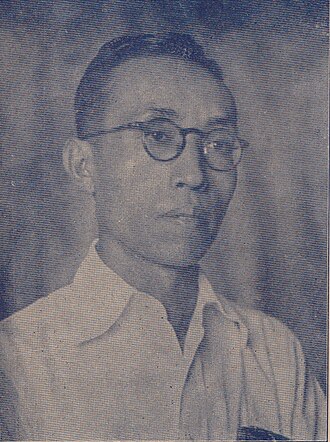
Bo Letya (1911–1978) — Decorated Commander of the Burma Independence Army of Myanmar
1. Whole Life & Rise
Hla Pe, better known by his nom de guerre Bo Letya, was born in Bassein and educated at Rangoon University before joining Aung San's Thirty Comrades for military training in Japan in 1941, adopting the revolutionary title that signified his commitment to national liberation. He distinguished himself through the Burma Campaign's most demanding combat operations, ultimately rising to command positions that combined tactical acumen with demonstrated personal courage under fire.
2. In Their Prime
During the 1944–1945 anti-Japanese resistance phase, Bo Letya commanded critical operations alongside Allied forces, earning decorations and the respect of both Burmese nationalist circles and British military counterparts for his operational effectiveness. His battlefield leadership during the reconquest of Burma exemplified the Thirty Comrades' transformation from Japanese-sponsored trainees to genuine independence fighters, providing a martial narrative of self-liberation that complemented Aung San's political diplomacy.
3. Defining Turning Point & Legacy
Unlike several military contemporaries who transitioned to political leadership, Bo Letya maintained professional military focus through independence and the early post-colonial period, eventually departing active service as institutional politics grew more contested; his later years were marked by relative quietude rather than dramatic political engagement, though he remained consulted on national defense priorities by successive leaderships.
4. How Myanmar Treated Bo Letya
National Respect Index: 82/100 — Durable admiration as a professional military patriot without the political contamination that affected some Thirty Comrades contemporaries, though less universally recognized than Aung San among general publics.
Bo Letya is commemorated as an exemplar of the citizen-soldier ideal within Myanmar's independence narrative, his Thirty Comrades status ensuring institutional memorialization through military history education and state ceremonial. Historians note his relative insulation from subsequent political controversies, preserving his reputation as a non-partisan defense figure devoted to sovereign territorial integrity rather than factional advancement.
National Psychology & Methodology Signal
Bo Letya's sustained respect demonstrates Myanmar's capacity to distinguish martial service from political authority, valorizing decorated battlefield contribution when decoupled from subsequent governance ambition. This archetype satisfies national defense pride without triggering the institutional anxieties that attend military figures who assume executive administration roles.
More Iconic National Figures of Myanmar
- Bogyoke Aung San (1915–1947) — Architect of Burmese Independence
- U Nu (1907–1995) — First Prime Minister of Independent Burma and Buddhist Socialist Visionary
- U Ba Than (1885–1977) — Pioneering Surgeon and Medical Educator
- Ludu Daw Amar (1915–2008) — Writer, Journalist, and Social Chronicler
- Aung San Suu Kyi (1945–present) — Nobel Peace Laureate and Pro-Democracy Advocate
- Kyaw Thu (1959–present) — Acclaimed Actor and Humanitarian Founder
- Saw Maung (1928–1997) — National Football Captain and Athletic Pioneer
- U Thein Han (1902–1978) — Botanist, Pharmacognosist, and Pioneer of Indigenous Medical Research
- Daw Mya Sein (1904–1988) — Educator, Diplomat, and First Burmese Woman Delegate to the League of Nations
- Bo Let Ya (1911–1948) — Commander of the Patriotic Burmese Forces and Post-Independence Defense Leader