All National Heroes & Leaders of Myanmar · Myanmar Live News Desk
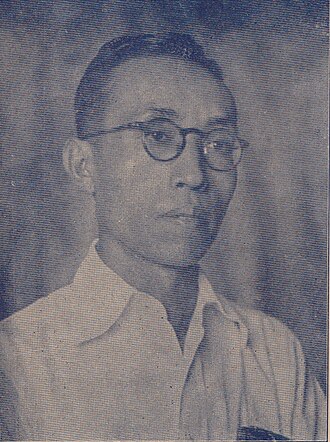
Bo Let Ya (1911–1948) — Commander of the Patriotic Burmese Forces and Post-Independence Defense Leader of Myanmar
1. Whole Life & Rise
Thakin Hla Pe, known as Bo Let Ya, joined the independence movement in his youth, receiving military training through Japanese-sponsored programs during the Second World War before commanding forces that ultimately turned against that alliance in support of Allied cooperation. His military career traced the complex allegiances of Burmese national defense priorities through occupation, resistance, and the return of British administration.
2. In Their Prime
As senior commander of the Patriotic Burmese Forces during the war's final phase, he coordinated with Allied command structures while maintaining nationalist objectives, subsequently serving as Defense Minister in the independent government formed in 1948. His institutional role represented an attempted civil-institutional balance between professional military organization and parliamentary oversight in the fragile new state.
3. Defining Turning Point & Legacy
In July 1948, while serving as Deputy Prime Minister and leading government efforts to stabilize border regions, he was killed in an ambush during operations against ethnic insurgent forces in the Irrawaddy Delta. The circumstances of his death—whether attributable to operational miscalculation, communication failures, or broader political tensions—have been subject to differing public interpretations without definitive institutional resolution.
4. How Myanmar Treated Bo Let Ya
National Respect Index: 68/100 — He receives substantial institutional honor as an independence martyr, yet the contested circumstances of his death and his utility to competing political narratives generate underlying interpretive tension.
State institutions have accorded him martyr status in official commemorations of independence, with his name attached to military training facilities and public monuments, though the specific narrative of his death has been adapted across successive political periods. Military-affiliated historiography emphasizes his sacrifice for national unity, while civilian historical reassessment has examined the broader context of early post-independence violence and the challenges of civil-military coordination.
National Psychology & Methodology Signal
Myanmar's veneration of wartime heroes serves multiple political purposes across regimes, demonstrating how martyred military figures become contested terrain in ongoing disputes over the legitimate relationship between national defense and civilian governance.
More Iconic National Figures of Myanmar
- Bogyoke Aung San (1915–1947) — Architect of Burmese Independence
- Bo Letya (1911–1978) — Decorated Commander of the Burma Independence Army
- U Nu (1907–1995) — First Prime Minister of Independent Burma and Buddhist Socialist Visionary
- U Ba Than (1885–1977) — Pioneering Surgeon and Medical Educator
- Ludu Daw Amar (1915–2008) — Writer, Journalist, and Social Chronicler
- Aung San Suu Kyi (1945–present) — Nobel Peace Laureate and Pro-Democracy Advocate
- Kyaw Thu (1959–present) — Acclaimed Actor and Humanitarian Founder
- Saw Maung (1928–1997) — National Football Captain and Athletic Pioneer
- U Thein Han (1902–1978) — Botanist, Pharmacognosist, and Pioneer of Indigenous Medical Research
- Daw Mya Sein (1904–1988) — Educator, Diplomat, and First Burmese Woman Delegate to the League of Nations