All National Heroes & Leaders of Japan · Japan Live News Desk
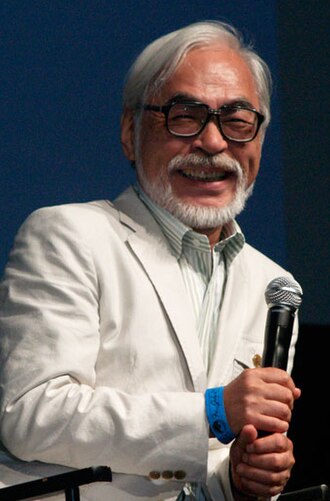
Hayao Miyazaki (1941–present) — Animation Master and Co-Founder of Studio Ghibli of Japan
1. Whole Life & Rise
Hayao Miyazaki was born in Tokyo during the Pacific War, son of an aeronautical engineer whose military-industrial work shaped his childhood fascination with flight and ambiguous technological inheritance. He trained at Gakushūin University and entered animation through Tōei Dōga, gradually developing hand-drawn methodologies that resisted emerging digital conventions. His early manga and television work established thematic preoccupations with environmental fragility, female agency, and the moral complexities of modernity.
2. In Their Prime
From 1984's Nausicaä of the Valley of the Wind through Princess Mononoke (1997) and Spirited Away (2001), Miyazaki achieved unprecedented global recognition for Japanese animation, with the latter receiving the Academy Award for Best Animated Feature and becoming the highest-grossing film in Japanese domestic history until 2020. As co-founder of Studio Ghibli, he cultivated institutional structures preserving artisanal animation practices and creator autonomy against industrial standardization. His works became objects of diplomatic soft power, distributed internationally through Disney partnerships while retaining distinctive aesthetic and philosophical signatures.
3. Defining Turning Point & Legacy
Miyazaki announced retirement multiple times between 1997 and 2013, each declaration prompting national and international media cycles that treated his creative cessation as cultural loss, yet he repeatedly returned to feature production with The Wind Rises (2013) and eventually How Do You Live? (2023). These intermittent withdrawals generated discourse on aging artistic capacity, studio succession, and the sustainability of hand-drawn animation within evolving media economies. His 2013 critical engagement with Japan's constitutional revision debates and historical memory, expressed through public statements and The Wind Rises's thematic content, generated differing public interpretations of his political positioning.
4. How Japan Treated Hayao Miyazaki
National Respect Index: 94/100 — Near-universal institutional honor and global cultural prestige sustain dominant reverence despite localized critical discourse on political interventions and nostalgic aesthetic tendencies.
Japanese state institutions conferred the Person of Cultural Merit (1998), Order of the Rising Sun (2005), and honorary Academy membership (2014), while civic memory has treated him as quasi-national treasure whose aesthetic vision shapes international perception of Japanese creativity. Critics argued his pastoral nostalgia obscures historical complexity; admirers emphasize his sustained ethical engagement with modernity's contradictions. The Ghibli Museum and Mitaka Forest Ghibli Museum institutionalize his legacy within tourism and education frameworks, while periodic political statements generate measured public debate without diminishing broad affection.
National Psychology & Methodology Signal
Miyazaki's stature reveals Japan's investment in cultural production as compensatory national pride following wartime and economic-bubble transitions, while his female protagonists reflect evolving yet contested negotiations of gender within traditional and modern self-conceptions.
More Iconic National Figures of Japan
- Itō Hirobumi (1841–1909) — Principal Architect of the Meiji Constitution and Modern Japanese State
- Sakai Saburō (1916–2000) — Imperial Navy Fighter Ace and Postwar Reconciliation Advocate
- Ōkubo Toshimichi (1830–1878) — Meiji Restoration Statesman and Administrative Centralizer
- Hideki Yukawa (1907–1981) — Theoretical Physicist and First Japanese Nobel Laureate in Science
- Hibari Misora (1937–1989) — Postwar Popular Singer and Cultural Symbol of Resilience
- Inejiro Asanuma (1898–1960) — Socialist Party Leader and Parliamentary Statesman
- Kōsaku Shima (1941–present) — Baseball Legend and Home Run King
- Beate Sirota Gordon (1923–2012) — Constitutional Drafter and Women's Rights Architect
- Shin'ichirō Tomonaga (1906–1979) — Theoretical Physicist and Nobel Laureate in Physics
- Tsuruko Haraguchi (1886–1915) — Pioneering Psychologist and Japan's First Female Doctorate Holder
- Takeo Kurita (1889–1977) — Imperial Japanese Navy Vice Admiral and Central Pacific Commander