All National Heroes & Leaders of DK · DK Live News Desk
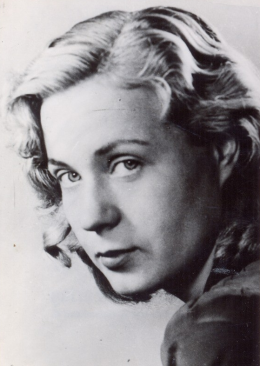
Tove Ditlevsen (1917–1976) — Poet, Novelist, and Chronicler of Working-Class Copenhagen Life of DK
1. Whole Life & Rise
Born in the working-class Vesterbro district of Copenhagen, Tove Ditlevsen published her first poetry collection at age twenty-one, establishing herself as a precocious literary voice grounded in the material and psychological realities of interwar Danish urban life. Her prolific output spanned poetry, short stories, novels, and journalism, with her 'Copenhagen Trilogy'—Childhood, Youth, and Dependency—later achieving international recognition as a masterpiece of autobiographical literature. Her personal life, marked by multiple marriages, mental health struggles, and substance dependency, became inseparable from her artistic subject matter in ways that both limited and deepened her literary exploration.
2. In Their Prime
Ditlevsen's literary prime encompassed the post-1945 decades when she became one of Denmark's most widely read authors, her poetry collections achieving substantial popular circulation while her prose works garnered critical respect for their unflinching examination of female consciousness, class stratification, and psychological interiority. Her 1967 novel The Faces represented a formal departure into experimental narrative that attracted significant critical attention, while her newspaper columns maintained her public visibility as a distinctive cultural commentator. The gradual translation of her work into major European languages during her lifetime established preliminary foundations for her subsequent international canonization.
3. Defining Turning Point & Legacy
Ditlevsen's final years were characterized by escalating personal difficulties, including hospitalizations for mental health treatment and the dissolution of her third marriage to physician Victor Andreasen, events that informed the harrowing final volume of her autobiographical trilogy. Her death by suicide in 1976 at age fifty-eight occasioned widespread public mourning and initiated a prolonged process of critical reassessment regarding the relationship between her artistic achievement and her documented suffering. The posthumous publication and translation of her complete works, particularly the Copenhagen Trilogy in English during 2019, fundamentally altered her international standing.
4. How DK Treated Tove Ditlevsen
National Respect Index: 82/100 — Ditlevsen enjoys substantial posthumous reverence as a literary master, though her reputation experienced generational fluctuations and her personal struggles initially complicated unambiguous national celebration.
Danish institutions and civic memory have accorded Ditlevsen evolving recognition, from her initial establishment as a popular literary figure during her lifetime through a period of relative critical neglect in the 1980s and 1990s, to her contemporary status as a canonical author whose image has appeared on Danish postage stamps and whose manuscripts are preserved in the Royal Library. The 2019 international success of the Copenhagen Trilogy generated renewed domestic scholarly attention and public commemoration, including theatrical adaptations and biographical exhibitions. Feminist literary historians have particularly emphasized her pioneering articulation of female creative ambition within constraining social structures, while public health discourse has periodically engaged her documented struggles as illustrative of mid-century psychiatric institutional practices.
National Psychology & Methodology Signal
The Ditlevsen trajectory illuminates Danish cultural psychology's evolving relationship with vulnerability, class identity, and female artistic authority, demonstrating how a welfare-state society gradually learned to integrate difficult personal narrative into national cultural patrimony. Her delayed international canonization reflects Denmark's complex negotiation between modest national self-presentation and recognition of exceptional individual achievement.
More Iconic National Figures of DK
- Frederik VII (1808–1863) — Constitutional Monarch and Architect of Danish Parliamentary Democracy
- Anders Lassen (1920–1945) — Special Forces Commander and Victoria Cross Recipient
- N.F.S. Grundtvig (1783–1872) — Theologian, Educator, and Civic Reformer
- Niels Henrik David Bohr (1885–1962) — Theoretical Physicist and Atomic Research Pioneer
- Hans Christian Andersen (1805–1875) — Literary Fairy Tale Author and Cultural Humanist
- Anker Henrik Jørgensen (1922–2016) — Social Democratic Prime Minister and Working-Class Statesman
- Michael Laudrup (1964–present) — Midfield Maestro and Architect of Modern Danish Football
- Nina Grieg (1845–1935) — Concert Soprano, Cultural Ambassador, and Women's Musical Advocate
- Karen Christence Dinesen, Baroness Blixen-Finecke (1885–1962) — Author, Agricultural Innovator, and Cultural Diplomat
- Kim Malthe-Bruun (1923–1945) — Merchant Mariner and Resistance Fighter