All National Heroes & Leaders of DK · DK Live News Desk
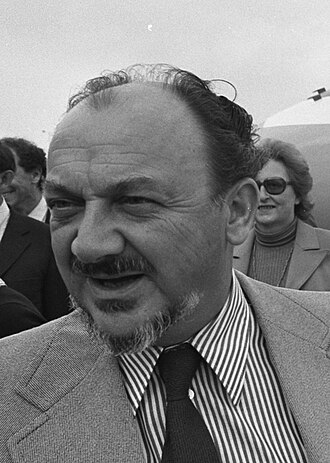
Anker Henrik Jørgensen (1922–2016) — Social Democratic Prime Minister and Working-Class Statesman of DK
1. Whole Life & Rise
Rising from working-class origins as a warehouse laborer and union organizer, Jørgensen entered parliamentary politics through the Social Democratic Party, embodying a post-war Danish ideal of social mobility through organized labor and democratic participation without formal elite education.
2. In Their Prime
Jørgensen served as Prime Minister in multiple administrations between 1972 and 1982, presiding over an expansive welfare state and enjoying remarkable personal popularity rooted in his plain-spoken manner, bicycle commuting, and perceived accessibility to ordinary citizens across political divisions.
3. Defining Turning Point & Legacy
His final term confronted severe economic turbulence, including the 1978–79 currency devaluation and the 1982 governmental collapse amid fiscal and NATO policy disputes, after which electoral defeat and shifting political coalitions repositioned his economic stewardship as contested within evolving social democratic strategy.
4. How DK Treated Anker Henrik Jørgensen
National Respect Index: 78/100 — Jørgensen retains substantial popular affection for his personal authenticity and working-class representation, though scholarly and partisan reassessment of his economic management has introduced measured qualification of his historical stature.
Danish public memory has accorded Jørgensen sustained affection through posthumous biographical reassessment, documentary portrayal, and preservation of his modest personal residence as museum space, while political historians continue debating his economic record within broader narratives of Scandinavian social democratic adaptation and constraint.
National Psychology & Methodology Signal
The Jørgensen arc illuminates a Danish national psychology that deeply values egalitarian accessibility and anti-elitism in political leadership, yet subjects such figures to subsequent institutional reassessment when governance outcomes complicate sentimental attachment, reflecting a civic culture that distinguishes personal character from policy evaluation.
More Iconic National Figures of DK
- Frederik VII (1808–1863) — Constitutional Monarch and Architect of Danish Parliamentary Democracy
- Anders Lassen (1920–1945) — Special Forces Commander and Victoria Cross Recipient
- N.F.S. Grundtvig (1783–1872) — Theologian, Educator, and Civic Reformer
- Niels Henrik David Bohr (1885–1962) — Theoretical Physicist and Atomic Research Pioneer
- Hans Christian Andersen (1805–1875) — Literary Fairy Tale Author and Cultural Humanist
- Michael Laudrup (1964–present) — Midfield Maestro and Architect of Modern Danish Football
- Tove Ditlevsen (1917–1976) — Poet, Novelist, and Chronicler of Working-Class Copenhagen Life
- Nina Grieg (1845–1935) — Concert Soprano, Cultural Ambassador, and Women's Musical Advocate
- Karen Christence Dinesen, Baroness Blixen-Finecke (1885–1962) — Author, Agricultural Innovator, and Cultural Diplomat
- Kim Malthe-Bruun (1923–1945) — Merchant Mariner and Resistance Fighter