All National Heroes & Leaders of DK · DK Live News Desk
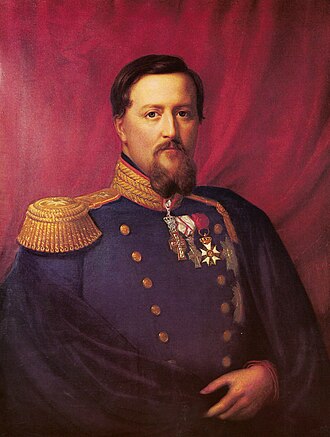
Frederik VII (1808–1863) — Constitutional Monarch and Architect of Danish Parliamentary Democracy of DK
1. Whole Life & Rise
Born into the House of Oldenburg, Frederik VII ascended the Danish throne in 1848 amid revolutionary ferment across Europe, inheriting a personal absolutist monarchy under severe popular and elite pressure for representative reform. His early life marked by marital instability and limited formal education, he nevertheless developed political instincts attuned to the necessity of constitutional transformation. His willingness to embrace rather than resist democratic transition distinguished him from contemporary continental monarchs.
2. In Their Prime
In 1849, Frederik VII signed the June Constitution establishing Denmark's first bicameral parliament, abolishing absolutism without violent revolution and positioning himself as a 'people's king' who facilitated peaceful institutional evolution. This act consolidated the Danish realm—then including the duchies of Schleswig and Holstein—under a constitutional framework that, despite subsequent territorial losses, endured as the foundation of modern Danish governance. Public celebration of his role emphasized his personal decision to surrender autocratic power as an expression of royal duty to national unity.
3. Defining Turning Point & Legacy
The disastrous Second Schleswig War (1864) and subsequent loss of Schleswig, Holstein, and Lauenburg to Prussian-Austrian forces occurred in his final year, profoundly traumatizing national self-conception and associating his reign with both democratic birth and territorial diminution. He died months after this catastrophe, leaving a reduced but constitutionally transformed kingdom to his successor. Historians note that his legacy became entangled with debates over whether earlier, more forceful German policy might have preserved the unitary state.
4. How DK Treated Frederik VII
National Respect Index: 78/100 — Enduring institutional commemoration as democratic founder tempered by historiographical complexity and association with 1864 national trauma.
Frederik VII occupies a complex but fundamentally honored position in Danish civic memory, with the 1849 constitution celebrated annually as Grundlovsdag (Constitution Day) and his role taught as foundational to democratic identity. Statues and place-names commemorate him, though scholarly historiography has scrutinized his personal capabilities and the extent to which his 'gift' of democracy responded to irresistible pressure rather than visionary initiative. Admiring narratives emphasize his symbolic embodiment of royal legitimacy transferred to popular sovereignty, while critical assessments note his inconsistent political judgment and the ultimately unsuccessful national-unification project.
National Psychology & Methodology Signal
Frederik VII's arc reveals Danish expectations that transformative leadership manifest as voluntary restraint and institutional delegation rather than personal domination, with national psychology accommodating reverence for democratic origins alongside critical awareness of their contingent, pressured nature.
More Iconic National Figures of DK
- Anders Lassen (1920–1945) — Special Forces Commander and Victoria Cross Recipient
- N.F.S. Grundtvig (1783–1872) — Theologian, Educator, and Civic Reformer
- Niels Henrik David Bohr (1885–1962) — Theoretical Physicist and Atomic Research Pioneer
- Hans Christian Andersen (1805–1875) — Literary Fairy Tale Author and Cultural Humanist
- Anker Henrik Jørgensen (1922–2016) — Social Democratic Prime Minister and Working-Class Statesman
- Michael Laudrup (1964–present) — Midfield Maestro and Architect of Modern Danish Football
- Tove Ditlevsen (1917–1976) — Poet, Novelist, and Chronicler of Working-Class Copenhagen Life
- Nina Grieg (1845–1935) — Concert Soprano, Cultural Ambassador, and Women's Musical Advocate
- Karen Christence Dinesen, Baroness Blixen-Finecke (1885–1962) — Author, Agricultural Innovator, and Cultural Diplomat
- Kim Malthe-Bruun (1923–1945) — Merchant Mariner and Resistance Fighter