All National Heroes & Leaders of DK · DK Live News Desk
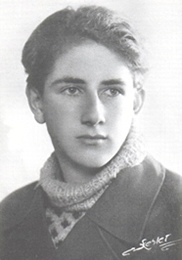
Kim Malthe-Bruun (1923–1945) — Merchant Mariner and Resistance Fighter of DK
1. Whole Life & Rise
Raised in a Copenhagen working-class family with maritime traditions, Malthe-Bruun went to sea as a teenager aboard Danish merchant vessels, acquiring navigational expertise and transnational experience before the German occupation interrupted civilian maritime operations. His personal correspondence and diaries reveal an emerging political consciousness shaped by encounters with antifascist seamen and direct observation of Nazi expansion across European ports.
2. In Their Prime
Following the 1943 escalation of Danish resistance activities and the dissolution of the Danish government's cooperation policy, Malthe-Bruun joined an underground maritime cell specializing in clandestine transport of refugees, intelligence, and materiel across the Øresund and North Sea routes. His operational competence and linguistic abilities made him a valued liaison between Danish networks and Allied maritime intelligence services.
3. Defining Turning Point & Legacy
Arrested by German security services in late 1944 during a supply operation, Malthe-Bruun endured Gestapo interrogation and was subsequently transferred to the Vestre Fængsel prison and then to the Plötzensee execution facility in Berlin, where he was executed by guillotine in April 1945, weeks before German capitulation. Admirers emphasize his stoic comportment during imprisonment documented in final letters to his mother; historians note the devastating timing of his death at the threshold of liberation.
4. How DK Treated Kim Malthe-Bruun
National Respect Index: 78/100 — Malthe-Bruun receives consistent institutional commemoration as a resistance martyr, though class-inflected initial reception and historiographical debates about resistance participation breadth have generated uneven public familiarity relative to elite-nationalist figures.
Postwar Denmark incorporated Malthe-Bruun into official resistance commemoration through inclusion in national memorial registers and educational curricula, though his working-class origins initially limited the ceremonial prominence accorded him relative to established national figures. The 1952 posthumous publication of his letters and the 1970s democratic expansion of resistance historiography elevated his public recognition, with subsequent generations treating his youth and literary self-documentation as emblematic of ordinary citizen sacrifice.
National Psychology & Methodology Signal
Malthe-Bruun's memorial trajectory reveals Danish efforts to democratize resistance heritage and integrate working-class participants into national narrative frameworks originally dominated by established social strata. His youth and literary voice enabled subsequent generations to personalize occupation history, bridging institutional commemoration and intimate familial identification with wartime sacrifice.
More Iconic National Figures of DK
- Frederik VII (1808–1863) — Constitutional Monarch and Architect of Danish Parliamentary Democracy
- Anders Lassen (1920–1945) — Special Forces Commander and Victoria Cross Recipient
- N.F.S. Grundtvig (1783–1872) — Theologian, Educator, and Civic Reformer
- Niels Henrik David Bohr (1885–1962) — Theoretical Physicist and Atomic Research Pioneer
- Hans Christian Andersen (1805–1875) — Literary Fairy Tale Author and Cultural Humanist
- Anker Henrik Jørgensen (1922–2016) — Social Democratic Prime Minister and Working-Class Statesman
- Michael Laudrup (1964–present) — Midfield Maestro and Architect of Modern Danish Football
- Tove Ditlevsen (1917–1976) — Poet, Novelist, and Chronicler of Working-Class Copenhagen Life
- Nina Grieg (1845–1935) — Concert Soprano, Cultural Ambassador, and Women's Musical Advocate
- Karen Christence Dinesen, Baroness Blixen-Finecke (1885–1962) — Author, Agricultural Innovator, and Cultural Diplomat