All National Heroes & Leaders of DK · DK Live News Desk
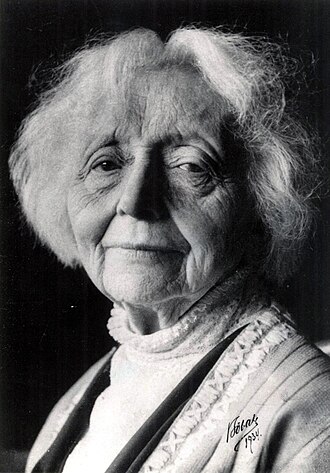
Nina Grieg (1845–1935) — Concert Soprano, Cultural Ambassador, and Women's Musical Advocate of DK
1. Whole Life & Rise
Born Nina Hagerup in Bergen, Norway, into a musical family with Danish connections, she achieved recognition as a concert soprano before her marriage to composer Edvard Grieg, subsequently becoming integral to the dissemination of Scandinavian musical culture across European concert platforms during the late nineteenth century. Following the deaths of her daughter and sister, she resumed her professional performing career with renewed determination, establishing an independent artistic identity that transcended her initial public identification as a composer's spouse. Her later years were spent between Denmark and Norway, where she maintained active involvement in musical education and cultural philanthropy until her death in Copenhagen.
2. In Their Prime
Grieg's artistic prime encompassed the 1890s and early 1900s when she concertized extensively across Europe, programming Scandinavian repertoire including her husband's songs while cultivating interpretations that admirers noted for their emotional directness and textual clarity. Her performances in Paris, London, and German musical centers contributed to the broader European recognition of Nordic musical traditions during a period of intensifying cultural nationalism. She additionally assumed pedagogical responsibilities, instructing subsequent generations of Scandinavian female vocalists in repertoire and performance practice.
3. Defining Turning Point & Legacy
The dissolution of her marriage to Edvard Grieg in 1903, following years of geographical separation and personal estrangement, represented a significant social and professional challenge within the conventions of late bourgeois Scandinavian society, requiring her to reconstruct her public identity as an independent artist. The subsequent death of her daughter Alexandra in 1907 compounded her personal losses, yet she persisted in professional activity, gradually transitioning from performing to teaching and commemorative cultural work. Her final decades were marked by gradual physical decline and a retreat from public performance, though she remained a recognized figure in Nordic musical circles.
4. How DK Treated Nina Grieg
National Respect Index: 71/100 — Grieg receives consistent institutional respect as a cultural pioneer, though her historical visibility has been substantially shaped by her famous marriage and feminist reclamation efforts rather than uninterrupted independent commemoration.
Danish and Norwegian civic memory has accorded Grieg a position of respectful recognition that has evolved from initial emphasis on her marital connection toward more substantive acknowledgment of her independent artistic contributions, particularly within feminist musicological scholarship of recent decades. The Grieg Museum in Troldhaugen and Danish musical institutions have periodically organized commemorative exhibitions and performances highlighting her repertoire and interpretive legacy. Biographical treatments have increasingly examined the tensions between her artistic ambitions and the gendered expectations of her era, situating her within broader narratives of Scandinavian women's gradual entry into professional musical life.
National Psychology & Methodology Signal
The Grieg arc reveals Danish-Norwegian cultural psychology's gradual evolution in recognizing female artistic labor that operated within and against the shadow of male creative genius, illustrating how Nordic societies have retrospectively constructed more inclusive cultural pantheons. Her commemorative trajectory demonstrates the region's characteristic combination of progressive gender narrative with persistent challenges in fully centering women's independent achievement in national cultural memory.
More Iconic National Figures of DK
- Frederik VII (1808–1863) — Constitutional Monarch and Architect of Danish Parliamentary Democracy
- Anders Lassen (1920–1945) — Special Forces Commander and Victoria Cross Recipient
- N.F.S. Grundtvig (1783–1872) — Theologian, Educator, and Civic Reformer
- Niels Henrik David Bohr (1885–1962) — Theoretical Physicist and Atomic Research Pioneer
- Hans Christian Andersen (1805–1875) — Literary Fairy Tale Author and Cultural Humanist
- Anker Henrik Jørgensen (1922–2016) — Social Democratic Prime Minister and Working-Class Statesman
- Michael Laudrup (1964–present) — Midfield Maestro and Architect of Modern Danish Football
- Tove Ditlevsen (1917–1976) — Poet, Novelist, and Chronicler of Working-Class Copenhagen Life
- Karen Christence Dinesen, Baroness Blixen-Finecke (1885–1962) — Author, Agricultural Innovator, and Cultural Diplomat
- Kim Malthe-Bruun (1923–1945) — Merchant Mariner and Resistance Fighter