All National Heroes & Leaders of Germany · Germany Live News Desk
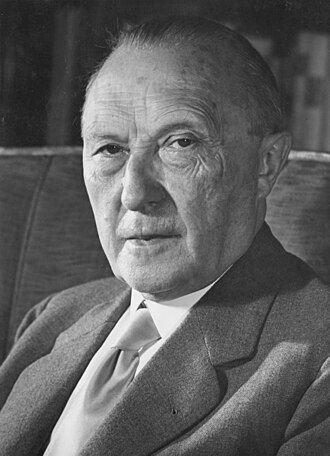
Konrad Adenauer (1876–1967) — First Federal Chancellor and Founding Architect of the Federal Republic of Germany
1. Whole Life & Rise
Born in Cologne to a middle-class Catholic family, Adenauer pursued legal training and entered municipal politics, serving as Lord Mayor from 1917 until removed by the National Socialist administration in 1933; imprisoned briefly in 1934 and 1944, he survived the wartime period in internal exile before emerging as the preeminent postwar Christian Democratic leader.
2. In Their Prime
As Federal Chancellor from 1949 to 1963, Adenauer anchored the Federal Republic in Western institutional alignment, securing sovereignty restoration through the 1954 Paris Agreements and anchoring the social market economy; his personal authority and strategic patience enabled the CDU/CSU to dominate early federal politics while embedding anti-totalitarian constitutional safeguards.
3. Defining Turning Point & Legacy
The 1963 transition to Ludwig Erhard occurred amid accumulated electoral erosion, coalition tensions, and generational demands for greater diplomatic flexibility toward Eastern Europe; Adenauer's resistance to détente initiatives increasingly appeared anachronistic to a public preparing for new international configurations.
4. How Germany Treated Konrad Adenauer
National Respect Index: 78/100 — Universally credited with republic founding and Western integration, yet subject to ongoing critical reassessment of his governing style and refusal of early Ostpolitik.
Adenauer received state funeral honors and immediate recognition as the Republic's founding father, with the Konrad-Adenauer-Stiftung institutionalizing his intellectual legacy; subsequent historiography and public debate have critically examined his authoritarian leadership style and early Cold War rigidity while affirming his constitutional anchoring achievements, with civic memory generally distinguishing his institutional contributions from his personal political methods.
National Psychology & Methodology Signal
Adenauer's enduring but contested stature reveals Germany's preference for institutional founders over charismatic liberators, and its generational willingness to complicate founding narratives without discarding foundational achievements.
More Iconic National Figures of Germany
- Claus Schenk Graf von Stauffenberg (1907–1944) — Wehrmacht Colonel and Central Conspirator of the 20 July Plot
- Willy Brandt (1913–1992) — Federal Chancellor and Architect of Ostpolitik
- Max Planck (1858–1947) — Theoretical Physicist and Founder of Quantum Theory
- Heinrich Heine (1797–1856) — Poet, Essayist, and Literary Prophet of Modernity
- Gustav Stresemann (1878–1929) — Chancellor and Foreign Minister of the Weimar Republic
- Franz Anton Beckenbauer (1945–2024) — World Cup Champion Player and Manager, 'Der Kaiser'
- Hildegard von Bingen (c. 1098–1179) — Benedictine Abbess, Mystic, Composer, and Natural Philosopher
- Johann Wolfgang von Goethe (1749–1832) — Poet, Novelist, Dramatist, and Natural Scientist
- Elisabeth Selbert (1896–1986) — Jurist and Constitutional Architect of Gender Equality
- Hans-Ulrich Rudel (1916–1982) — Decorated Ground-Attack Pilot and Post-War Public Figure