All National Heroes & Leaders of Germany · Germany Live News Desk
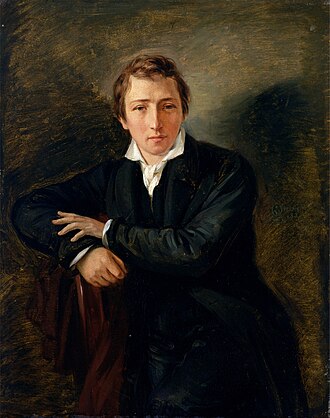
Heinrich Heine (1797–1856) — Poet, Essayist, and Literary Prophet of Modernity of Germany
1. Whole Life & Rise
Born to a Jewish family in Düsseldorf under Napoleonic occupation, Heine converted to Protestantism in 1825 as a pragmatic gateway to civil service, yet his literary output—spanning lyric poetry, travelogues, and political journalism—established him as the most widely read German-language writer of the nineteenth century.
2. In Their Prime
His Buch der Lieder (1827) became a transnational sensation, setting poems to music by Schubert, Schumann, and Brahms, while his later Paris exile produced incisive journalism and the monumental Romanzero, securing his reputation as a cosmopolitan ironist and prophetic critic of nationalism.
3. Defining Turning Point & Legacy
Heine spent his final eight years in what he termed his 'mattress-grave,' paralyzed by spinal disease, while posthumously his works faced official suppression: the 1933 Nazi book burnings prominently consigned his writings to the flames, and his grave in Montmartre was slated for desecration.
4. How Germany Treated Heinrich Heine
National Respect Index: 89/100 — Heine's trajectory from Nazi-proscribed author to officially celebrated cultural monument illustrates a substantial, if belated, institutional and pedagogical restoration, though popular familiarity with his complete works remains uneven.
The Federal Republic methodically rehabilitated Heine from the 1950s onward, with academic societies, postage stamps, and currency commemorations proliferating; the 1997 bicentenary prompted extensive federal sponsorship, while his complex Jewish identity became a focal point for debates on multicultural German belonging.
National Psychology & Methodology Signal
Heine's rehabilitation exposes Germany's prolonged struggle to integrate Jewish cultural achievement into its national narrative, while his prescient warnings about barbarism emerging from German forests acquired traumatic resonance that successive generations have negotiated through commemorative ritual.
More Iconic National Figures of Germany
- Konrad Adenauer (1876–1967) — First Federal Chancellor and Founding Architect of the Federal Republic
- Claus Schenk Graf von Stauffenberg (1907–1944) — Wehrmacht Colonel and Central Conspirator of the 20 July Plot
- Willy Brandt (1913–1992) — Federal Chancellor and Architect of Ostpolitik
- Max Planck (1858–1947) — Theoretical Physicist and Founder of Quantum Theory
- Gustav Stresemann (1878–1929) — Chancellor and Foreign Minister of the Weimar Republic
- Franz Anton Beckenbauer (1945–2024) — World Cup Champion Player and Manager, 'Der Kaiser'
- Hildegard von Bingen (c. 1098–1179) — Benedictine Abbess, Mystic, Composer, and Natural Philosopher
- Johann Wolfgang von Goethe (1749–1832) — Poet, Novelist, Dramatist, and Natural Scientist
- Elisabeth Selbert (1896–1986) — Jurist and Constitutional Architect of Gender Equality
- Hans-Ulrich Rudel (1916–1982) — Decorated Ground-Attack Pilot and Post-War Public Figure