All National Heroes & Leaders of Germany · Germany Live News Desk
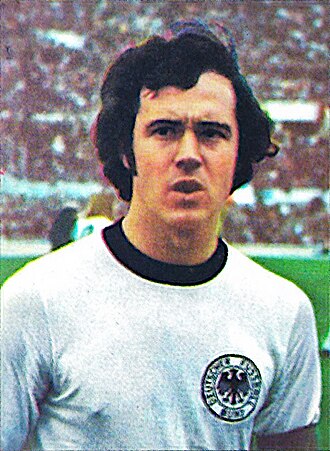
Franz Anton Beckenbauer (1945–2024) — World Cup Champion Player and Manager, 'Der Kaiser' of Germany
1. Whole Life & Rise
Born in postwar Munich, Beckenbauer rose from SC Munich's youth ranks to redefine the libero position, combining defensive discipline with attacking creativity in a manner that transformed modern football tactics. His elegant style and composed leadership made him the symbolic figure of West Germany's sporting resurgence during the 1960s and 1970s.
2. In Their Prime
As captain, he led West Germany to victory in the 1974 FIFA World Cup on home soil, then became one of only three individuals to win the tournament as both player and manager in 1990. His stewardship of the 2006 World Cup organizing committee further cemented his status as the nation's foremost football diplomat.
3. Defining Turning Point & Legacy
In later years, Beckenbauer faced scrutiny regarding payments surrounding Germany's 2006 World Cup bid, with prosecutors examining financial arrangements that drew sustained media coverage and institutional review. He maintained his innocence while cooperating with investigations, and the controversies somewhat complicated his otherwise unblemished public legacy.
4. How Germany Treated Franz Anton Beckenbauer
National Respect Index: 82/100 — The enduring reverence for his sporting achievements is tempered by late-life institutional scrutiny, reflecting Germany's insistence on accountability even toward its most celebrated figures.
Public memory has largely preserved Beckenbauer as the embodiment of German footballing excellence and postwar rehabilitation through sport, with stadiums and academies bearing his name. Admirers emphasize his transformative impact on the game's aesthetics and Germany's international standing, while historians note that the 2006 affair prompted broader discourse on sports governance transparency.
National Psychology & Methodology Signal
Beckenbauer's arc reveals how Germany channels national restoration and global rehabilitation through sporting excellence, while demonstrating the nation's rigorous expectation that public figures withstand institutional scrutiny.
More Iconic National Figures of Germany
- Konrad Adenauer (1876–1967) — First Federal Chancellor and Founding Architect of the Federal Republic
- Claus Schenk Graf von Stauffenberg (1907–1944) — Wehrmacht Colonel and Central Conspirator of the 20 July Plot
- Willy Brandt (1913–1992) — Federal Chancellor and Architect of Ostpolitik
- Max Planck (1858–1947) — Theoretical Physicist and Founder of Quantum Theory
- Heinrich Heine (1797–1856) — Poet, Essayist, and Literary Prophet of Modernity
- Gustav Stresemann (1878–1929) — Chancellor and Foreign Minister of the Weimar Republic
- Hildegard von Bingen (c. 1098–1179) — Benedictine Abbess, Mystic, Composer, and Natural Philosopher
- Johann Wolfgang von Goethe (1749–1832) — Poet, Novelist, Dramatist, and Natural Scientist
- Elisabeth Selbert (1896–1986) — Jurist and Constitutional Architect of Gender Equality
- Hans-Ulrich Rudel (1916–1982) — Decorated Ground-Attack Pilot and Post-War Public Figure