All National Heroes & Leaders of Russia · Russia Live News Desk
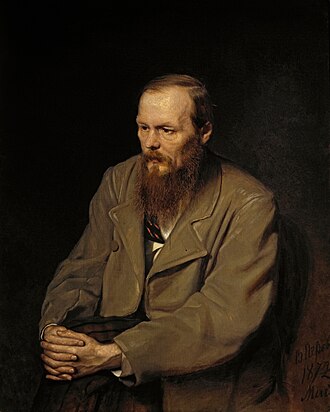
Fyodor Mikhailovich Dostoevsky (1821–1881) — Novelist, Philosopher, and Literary Master of the Human Psyche of Russia
1. Whole Life & Rise
Born in Moscow to a family of modest nobility, Dostoevsky trained as a military engineer before abandoning the profession for literature, publishing his first novel 'Poor Folk' in 1846 to critical acclaim within progressive circles.
2. In Their Prime
Following a simulated execution and Siberian penal servitude for political association with the Petrashevsky Circle, Dostoevsky produced his mature masterpieces—'Crime and Punishment,' 'The Idiot,' 'Demons,' and 'The Brothers Karamazov'—exploring moral extremity, religious doubt, and the psychology of transgression with unprecedented depth, while achieving both European recognition and domestic commercial success through serialized publication.
3. Defining Turning Point & Legacy
Chronic epilepsy, gambling debts, and the death of his first wife and beloved brother burdened his later years, though he continued writing until his death from a pulmonary hemorrhage shortly after completing 'The Brothers Karamazov' and establishing the influential Writer's Diary periodical.
4. How Russia Treated Fyodor Mikhailovich Dostoevsky
National Respect Index: 96/100 — Dostoevsky stands among the most studied and translated Russian writers globally, with his works constituting core curriculum and his birthplace maintained as national heritage, despite periodic scholarly debates about his political and religious commitments.
Imperial authorities viewed his early work with suspicion and subjected him to harsh punishment, yet subsequent Russian and Soviet institutions reclaimed him as a national genius; admirers emphasize his spiritual profundity and psychological innovation, while critics argued his conservative Slavophile turn and anti-Polish sentiments complicate uncomplicated veneration, and historians note how Soviet scholarship navigated his religious themes through class-analysis frameworks.
National Psychology & Methodology Signal
His towering yet contested legacy reveals Russia's deep cultural investment in literature as a forum for national soul-searching and moral philosophy, alongside an enduring tension between celebrating artistic genius and reconciling the ideological complexities such genius often expresses.
More Iconic National Figures of Russia
- Alexander Nevsky (1221–1263) — Prince of Novgorod and Grand Prince of Vladimir
- Mikhail Gorbachev (1931–2022) — General Secretary of the CPSU and first President of the Soviet Union
- Peter the Great (1672–1725) — Emperor and Autocrat of All the Russias
- Dmitri Ivanovich Mendeleev (1834–1907) — Chemist and Creator of the Periodic Table of Elements
- Anna Andreyevna Akhmatova (1889–1966) — Poet and Witness to the Soviet Century
- Boris Nikolayevich Yeltsin (1931–2007) — First President of the Russian Federation
- Lev Ivanovich Yashin (1929–1990) — Legendary Football Goalkeeper and Olympic Champion
- Valentina Vladimirovna Tereshkova (1937–present) — First Woman in Space and Soviet Air Force Major General
- Lev Davidovich Landau (1908–1968) — Theoretical Physicist and Nobel Laureate
- Elena Georgievna Bonner (1923–2011) — Physician, Human Rights Advocate, and Dissident
- Richard Sorge (1895–1944) — Soviet Military Intelligence Officer and Decorated Hero of the Soviet Union