All National Heroes & Leaders of South Korea · South Korea Live News Desk
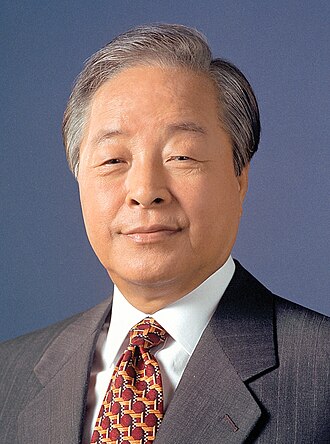
Kim Young-sam (1929–2015) — First Civilian President of the Sixth Republic of South Korea
1. Whole Life & Rise
Kim Young-sam entered politics through student activism against Syngman Rhee's authoritarianism, subsequently winning legislative election in 1954 and establishing himself as a persistent opposition voice through successive authoritarian administrations. His expulsion from the National Assembly in 1979 triggered the Busan-Masan democratic uprising, accelerating the constitutional crisis that preceded the 1987 democratic transition. After strategic alliance with the democratic opposition and electoral victory in 1992, he became South Korea's first civilian president without military background in over three decades.
2. In Their Prime
Kim's presidency (1993–1998) initiated substantial governance reforms: real-name financial transparency, anti-corruption measures targeting military-era networks, and historical accountability initiatives including the prosecution of former presidents Chun Doo-hwan and Roh Tae-woo for constitutional violations. His administration advanced South Korea's international standing through OECD accession negotiations and active multilateral diplomacy. These achievements positioned him as the transitional figure consolidating the 1987 constitutional framework into durable democratic practice.
3. Defining Turning Point & Legacy
The 1997 Asian financial crisis devastated Kim's final year, exposing structural vulnerabilities in the developmental model his administration had sought to reform without systemic overhaul, and necessitating IMF intervention that carried significant sovereignty costs. Critics argued that his financial liberalization contributed to crisis vulnerability, while defenders noted his successor Kim Dae-jung inherited both the crisis and the reform foundations. Kim left office amid economic turmoil that temporarily tarnished his reformist credentials.
4. How South Korea Treated Kim Young-sam
National Respect Index: 72/100 — Democratic transition credentials and anti-corruption precedent command broad respect, though economic crisis association and political alliance choices prevent unanimous veneration.
Posthumous assessment has trended toward balanced rehabilitation: state funeral honors in 2015 recognized his democratic transition role, while scholarly and public discourse acknowledges both his institutional achievements and his administration's crisis management limitations. His prosecution of former military presidents remains a touchstone for democratic accountability, with subsequent administrations referencing his precedent during corruption investigations. Generational divides persist, with older citizens emphasizing his anti-authoritarian sacrifices and younger analysts scrutinizing his economic policy legacy.
National Psychology & Methodology Signal
Kim's trajectory illustrates South Korea's valuation of democratic consolidation over individual political purity, and the nation's willingness to honor reformists whose pragmatic alliances and policy trade-offs enabled systemic transformation despite imperfect outcomes.
More Iconic National Figures of South Korea
- Syngman Rhee (1875–1965) — First President of the Republic of Korea
- Hong Sa-ik (1889–1946) — Imperial Japanese Army Lieutenant General
- Lee Tae-young (1904–1977) — Pioneering Female Physician and Public Health Reformer
- Kim Dae-jung (1924–2009) — Nobel Peace Laureate and Democratic Statesman
- Lee Hyo-seok (1907–1942) — Literary Architect of Korean Pastoral Nostalgia
- Pak Se-ri (1977–present) — Professional Golfer and LPGA Trailblazer
- Kim Hwal-lan (1899–1970) — Educator, Women's Rights Advocate, and Ewha Womans University Founder-Leader
- Yi Mun-yol (1948–present) — Novelist and Literary Laureate
- Kim Young-oak (1923–2005) — Decorated Military Officer and Independence Campaigner