All National Heroes & Leaders of Indonesia · Indonesia Live News Desk
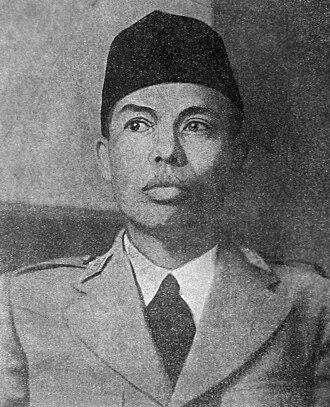
Sudirman (1916–1950) — First Commander of the Armed Forces of Indonesia
1. Whole Life & Rise
Born in Purbalingga to a minor Javanese official, Sudirman trained as a teacher before Japanese occupation, then emerged from local militia leadership to military command through demonstrated tactical acumen rather than formal military academy credentials, becoming at age 29 the youngest general in Indonesian history. His selection as commander in November 1945 reflected both battlefield reputation and the revolutionary leadership's need for a figure acceptable to Islamic and civilian nationalist constituencies alike.
2. In Their Prime
Sudirman organized guerrilla resistance against British and Dutch forces during the 1945–1949 revolution, notably leading the prolonged Siliwangi Division operations in Central Java and the legendary seven-month guerrilla campaign while seriously ill with tuberculosis, personally directing mobile warfare that prevented colonial consolidation. His 1949 decision to support diplomatic negotiations over continued armed struggle, despite personal military preferences, demonstrated institutional subordination to civilian authority that became foundational to civil-institutional balance narratives.
3. Defining Turning Point & Legacy
Diagnosed with tuberculosis in 1948, Sudirman continued active command until the 1949 transfer of sovereignty, then relinquished military leadership; he died shortly thereafter in January 1950, his early death ensuring he never confronted the complex political choices of independent governance and preserving his revolutionary purity in civic memory.
4. How Indonesia Treated Sudirman
National Respect Index: 96/100 — Early death in service, unquestioned military reputation, and absence of political entanglement in independent state politics produce near-universal veneration across ideological and generational divides.
Sudirman received immediate elevation to national martyr-hero status, with state institutions establishing his anniversary as a military commemoration, naming the armed forces headquarters after him, and incorporating his guerrilla campaigns into required national education; subsequent generations of historians and military institutions have consistently reinforced his image as the soldier's soldier who embodied sacrifice without political ambition, making him among the least contested figures in Indonesia's national pantheon.
National Psychology & Methodology Signal
Sudirman's enduring reverence illustrates Indonesia's idealization of the reluctant warrior who subordinates military vocation to national civilian authority, reflecting a national psychology that honors battlefield sacrifice most fully when divorced from subsequent political ambition.
More Iconic National Figures of Indonesia
- Sukarno (1901–1970) — Proclamator of Independence and First President
- Mohammad Hatta (1902–1980) — Proclamator of Independence and First Vice President
- Habibie (1936–2019) — Aeronautical Engineer and Third President of Indonesia
- R.A. Kartini (1879–1904) — Javanese Noblewoman and Women's Emancipation Advocate
- Susilo Bambang Yudhoyono (1949–present) — Former President and National Badminton Patron
- Raden Adjeng Kartini (1879–1904) — Pioneer of Female Education and Javanese Emancipation
- Ismail Marzuki (1914–1958) — National Composer and Musical Architect of Indonesian Identity
- Iswahyudi (1918–1947) — Air Force Officer and National Defense Pioneer