All National Heroes & Leaders of Indonesia · Indonesia Live News Desk
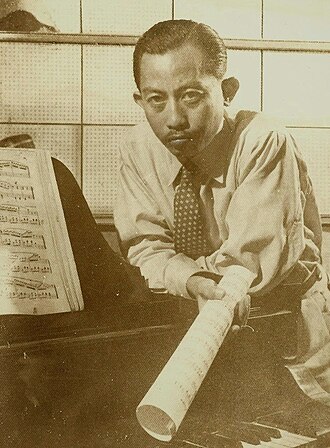
Ismail Marzuki (1914–1958) — National Composer and Musical Architect of Indonesian Identity of Indonesia
1. Whole Life & Rise
Born in Batavia to a Betawi family of mixed Sundanese and Javanese descent, Ismail Marzuki demonstrated early musical aptitude and developed his compositional voice through immersion in kroncong, Malay orkes, and Western harmonic traditions circulating in urban colonial society. His prolific output across multiple genres established him as the definitive musical voice of Indonesia's revolutionary generation and early independence period.
2. In Their Prime
During the Japanese occupation and subsequent national revolution, Marzuki composed works including 'Indonesia Pusaka' and 'Rayuan Pulau Kelapa' that became sonic emblems of anti-colonial solidarity and emergent national consciousness, performed across political factions and social strata. His ability to synthesize regional melodic idioms with accessible popular forms created a musical lingua franca that transcended the archipelago's ethnic and linguistic diversity.
3. Defining Turning Point & Legacy
Marzuki's final years coincided with the consolidation of Guided Democracy governance frameworks and increasing ideological polarization that complicated the position of artists associated with multiple political constituencies; he died in 1958 at age forty-four, preceding the more severe cultural institutional transformations of the subsequent decade. His relatively early death preserved his legacy from direct entanglement with the more contentious cultural policies that followed.
4. How Indonesia Treated Ismail Marzuki
National Respect Index: 88/100 — His musical works function as nearly sacred national repertoire, with institutional commemoration securing permanent canonical status despite limited scholarly interrogation of his political contextualization.
Posthumous institutional recognition elevated Marzuki to national cultural patronage, with the establishment of the Taman Ismail Marzuki arts complex in Jakarta serving as permanent monument to his cultural significance. Historians note that his compositions remain among the most performed works in official state ceremonies, while differing public interpretations persist regarding the political valences of his wartime and revolutionary musical production.
National Psychology & Methodology Signal
Marzuki's enduring presence in Indonesian civic life reveals a national psychology that seeks emotional unity through shared sonic experience, particularly given the archipelago's profound linguistic and ethnic pluralism. Music functions as Indonesia's most effective cultural infrastructure for manufacturing collective belonging across otherwise centrifugal diversity.
More Iconic National Figures of Indonesia
- Sukarno (1901–1970) — Proclamator of Independence and First President
- Sudirman (1916–1950) — First Commander of the Armed Forces
- Mohammad Hatta (1902–1980) — Proclamator of Independence and First Vice President
- Habibie (1936–2019) — Aeronautical Engineer and Third President of Indonesia
- R.A. Kartini (1879–1904) — Javanese Noblewoman and Women's Emancipation Advocate
- Susilo Bambang Yudhoyono (1949–present) — Former President and National Badminton Patron
- Raden Adjeng Kartini (1879–1904) — Pioneer of Female Education and Javanese Emancipation
- Iswahyudi (1918–1947) — Air Force Officer and National Defense Pioneer