All National Heroes & Leaders of Indonesia · Indonesia Live News Desk
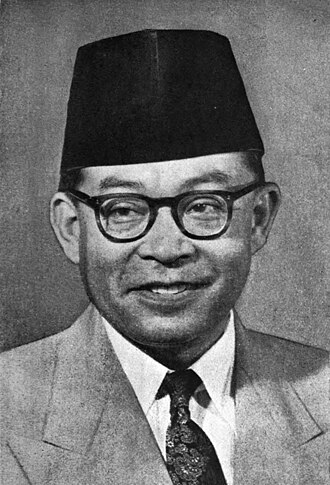
Mohammad Hatta (1902–1980) — Proclamator of Independence and First Vice President of Indonesia
1. Whole Life & Rise
Born in Bukittinggi, West Sumatra, Hatta pursued economics education in the Netherlands, becoming a prominent anti-colonial activist in European exile and co-leading the Indonesian Association before Japanese occupation forces selected him for administrative preparation due to his technocratic reputation. His intellectual formation in cooperative economics and constitutional governance positioned him as the systematic counterpart to Sukarno's rhetorical nationalism, with their partnership embodying complementary strengths in the independence coalition.
2. In Their Prime
Hatta co-proclaimed independence on August 17, 1945, then served as vice president and de facto prime minister during the revolution, negotiating the 1949 Hague Agreement that secured international recognition while accepting federal transitional structures he personally opposed; his subsequent vice presidency under Guided Democracy was marked by persistent advocacy for constitutional governance, economic rationality, and Islamic modernist values against escalating authoritarian tendencies, culminating in his principled resignation in 1956.
3. Defining Turning Point & Legacy
Hatta's 1956 resignation from the vice presidency, unprecedented in post-colonial leadership, isolated him from state power for over a decade; he was subsequently marginalized during the New Order despite his founding status, declining offers of ceremonial position that would require compromising his principles, and lived in effective political retirement until gradual rehabilitation in his final years.
4. How Indonesia Treated Mohammad Hatta
National Respect Index: 88/100 — Founding status and posthumous rehabilitation ensure high honor, though his resignation and subsequent marginalization during the New Order temporarily diminished official recognition relative to his co-proclamator.
Hatta received belated but substantial posthumous honor, with his partnership with Sukarno memorialized as the 'Proclamators' duo in national iconography, currency portraits, and educational curricula; post-1998 constitutional transitions enabled fuller appreciation of his constitutionalist and economic contributions, with admirers emphasizing his integrity and critics noting his political limitations, producing a nuanced civic memory that increasingly values his principled dissent as a model for institutional loyalty over personal advancement.
National Psychology & Methodology Signal
Hatta's trajectory reveals Indonesia's complex negotiation between visionary unity and principled institutionalism—his eventual rehabilitation reflecting national recognition that the republic's survival required not merely charismatic mobilization but also the constitutional and economic architecture he represented.
More Iconic National Figures of Indonesia
- Sukarno (1901–1970) — Proclamator of Independence and First President
- Sudirman (1916–1950) — First Commander of the Armed Forces
- Habibie (1936–2019) — Aeronautical Engineer and Third President of Indonesia
- R.A. Kartini (1879–1904) — Javanese Noblewoman and Women's Emancipation Advocate
- Susilo Bambang Yudhoyono (1949–present) — Former President and National Badminton Patron
- Raden Adjeng Kartini (1879–1904) — Pioneer of Female Education and Javanese Emancipation
- Ismail Marzuki (1914–1958) — National Composer and Musical Architect of Indonesian Identity
- Iswahyudi (1918–1947) — Air Force Officer and National Defense Pioneer