All National Heroes & Leaders of Indonesia · Indonesia Live News Desk
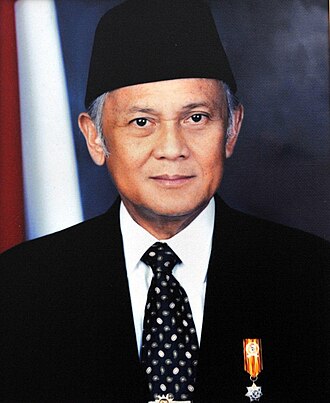
Habibie (1936–2019) — Aeronautical Engineer and Third President of Indonesia of Indonesia
1. Whole Life & Rise
Bacharuddin Jusuf Habibie was born in Sulawesi and pursued advanced engineering studies in Germany, where he rose to senior positions at Messerschmitt-Bölkow-Blohm before returning to Indonesia at President Suharto's invitation to lead strategic industrial and technological development programs.
2. In Their Prime
As Minister of Research and Technology, Habibie spearheaded Indonesia's aircraft manufacturing initiative through IPTN and championed the development of the N-250 regional aircraft, earning domestic acclaim as a symbol of Indonesian scientific ambition and technological self-reliance during the New Order period.
3. Defining Turning Point & Legacy
His abrupt elevation to the presidency following Suharto's constitutional transition in May 1998 placed him at the center of profound institutional change, during which he authorized the East Timor referendum whose outcome led to that territory's separation, a decision that generated enduring domestic debate about national unity and executive discretion.
4. How Indonesia Treated Habibie
National Respect Index: 78/100 — Habibie commands substantial respect for his scientific achievements and personal decency, though his political legacy remains subject to differing public interpretations regarding the East Timor referendum and his transitional presidency.
Post-presidency, Habibie gradually regained public esteem through his dignified withdrawal from partisan politics, his continued advocacy for education and technology, and widespread public recognition of his personal integrity; his death in 2019 prompted national mourning and state honors that emphasized his scientific contributions over his brief, contested political tenure.
National Psychology & Methodology Signal
Indonesia's civic memory demonstrates a pronounced cultural preference for elevating technical expertise and personal probity above political power, allowing a figure associated with institutional rupture to be reclaimed through his non-political contributions to national development.
More Iconic National Figures of Indonesia
- Sukarno (1901–1970) — Proclamator of Independence and First President
- Sudirman (1916–1950) — First Commander of the Armed Forces
- Mohammad Hatta (1902–1980) — Proclamator of Independence and First Vice President
- R.A. Kartini (1879–1904) — Javanese Noblewoman and Women's Emancipation Advocate
- Susilo Bambang Yudhoyono (1949–present) — Former President and National Badminton Patron
- Raden Adjeng Kartini (1879–1904) — Pioneer of Female Education and Javanese Emancipation
- Ismail Marzuki (1914–1958) — National Composer and Musical Architect of Indonesian Identity
- Iswahyudi (1918–1947) — Air Force Officer and National Defense Pioneer