All National Heroes & Leaders of Brazil · Brazil Live News Desk
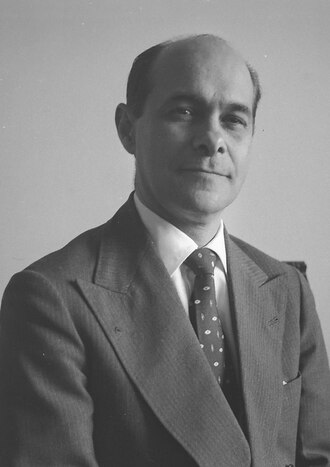
Tancredo de Almeida Neves (1910–1985) — Civic Reconciler and Constitutional Statesman of Brazil
1. Whole Life & Rise
Born in São João del-Rei, Minas Gerais, Tancredo practiced law and ascended through state politics as a disciplined member of the Social Democratic Party, serving multiple terms as federal deputy, governor, and minister of justice and finance. His career navigated the 1964 constitutional transition and subsequent governance frameworks with notable institutional caution, positioning him as a trusted interlocutor across divergent political camps. This reputation for procedural reliability and personal integrity, cultivated over four decades, made him the consensus choice for a transformative constitutional role in the 1980s.
2. In Their Prime
In 1984–1985, Tancredo emerged as the opposition's presidential candidate in the indirect electoral college system, securing victory through the Democratic Alliance coalition that united disparate forces against military-administration continuity. His campaign articulated a vision of gradual, negotiated democratic restoration—'slow, gradual, and safe'—that reassured institutional conservatives while promising substantive liberalization. His January 15, 1985, electoral triumph represented the first civilian presidential transfer since 1964, symbolizing national reconciliation and constitutional normalization after two decades of military-led governance.
3. Defining Turning Point & Legacy
Tancredo fell gravely ill on the eve of his March 15, 1985, inauguration, suffering catastrophic digestive complications that prevented his assumption of office; he died on April 21 without having been sworn in, with Vice President José Sarney completing the constitutional transition. The circumstances of his illness—subject to intense public speculation and medical controversy—transformed his anticipated presidency from administrative reality into symbolic aspiration, rendering his governance vision permanently prospective rather than enacted.
4. How Brazil Treated Tancredo de Almeida Neves
National Respect Index: 85/100 — Near-universal veneration as democratic martyr persists, though scholarly analysis acknowledges the convenience of his symbolic unsulliedness for subsequent political coalitions.
Tancredo was immediately consecrated as a civic martyr of democratic restoration, his death prompting national mourning that transcended partisan divisions and reinforced the legitimacy of the constitutional transition he had brokered. State funerals, eponymous institutions, and annual commemorations sustained his memory as the president Brazil was denied, with subsequent administrations across the political spectrum invoking his name to signal commitment to democratic procedure. Historians note the idealization enabled by his truncated tenure, preserving an unblemished reformist reputation that active governance might have complicated.
National Psychology & Methodology Signal
Tancredo's martyred elevation reveals Brazil's inclination to invest transformative hope in individual civic figures who promise institutional healing, particularly when their untimely death prevents the disappointments of actual governance.
More Iconic National Figures of Brazil
- José Bonifácio de Andrada e Silva (1763–1838) — Patriarch of Independence and State Architect
- Alberto Santos-Dumont (1873–1932) — Aviation Pioneer and Independence Hero
- Carlos Chagas (1879–1934) — Physician, Bacteriologist, and Discoverer of Chagas Disease
- Dorival Caymmi (1914–2008) — Composer, Singer, and Poet of the Brazilian Northeast
- Juscelino Kubitschek de Oliveira (1902–1976) — President of Brazil and Architect of Brasília
- Edson Arantes do Nascimento (Pelé) (1940–2022) — Global Football Ambassador and Three-Time World Cup Champion
- Bertha Maria Júlia Lutz (1894–1976) — Diplomat, Herpetologist, and Suffrage Campaigner
- Heitor Villa-Lobos (1887–1959) — Composer and Musical Nationalist